


Can large food sculptures be used in parks? This is a question that has intrigued many park planners, designers, and art enthusiasts. As a supplier of large food sculptures, I have had the opportunity to witness the growing interest in incorporating these unique art pieces into public spaces like parks. In this blog post, I will explore the feasibility, benefits, and considerations of using large food sculptures in parks.
Feasibility of Using Large Food Sculptures in Parks
Large food sculptures can be a feasible addition to parks for several reasons. Firstly, they are eye - catching. Parks are often visited by a diverse range of people, from families with children to tourists. A large food sculpture, such as a giant Sweet Sculpture, can immediately draw the attention of passers - by. It creates a focal point in the park, making the space more memorable and engaging.
Secondly, from a logistical perspective, modern materials and techniques make it possible to create large food sculptures that are durable and weather - resistant. We use high - quality materials that can withstand various environmental conditions, ensuring that the sculptures remain in good condition for an extended period. This means that the sculptures can be placed outdoors in parks without significant concerns about rapid deterioration.
Moreover, large food sculptures can be customized to fit the theme and size of the park. Whether it's a small neighborhood park or a large urban park, we can design and create sculptures that complement the existing landscape and atmosphere. For example, a Prawn Sculpture could be a great fit for a park near the coast, adding a local touch.
Benefits of Large Food Sculptures in Parks
One of the primary benefits of large food sculptures in parks is their ability to enhance the aesthetic appeal. These sculptures add a touch of playfulness and creativity to the park environment. They transform an ordinary green space into a more dynamic and interesting place. Children, in particular, are often fascinated by these larger - than - life food sculptures. They can inspire imagination and encourage exploration. For instance, a Burger Sculpture can spark conversations among kids about different types of food and where they come from.
Large food sculptures also have the potential to attract more visitors to the park. In today's digital age, people are always looking for unique experiences to share on social media. A well - designed food sculpture in a park can become an Instagram - worthy spot, which in turn can increase the park's popularity. This can have a positive impact on the local community, as more visitors may lead to increased foot traffic in nearby businesses.
In addition, these sculptures can serve as educational tools. They can be used to teach about different cultures and cuisines. For example, a sculpture of a traditional ethnic food can introduce park visitors to the culinary heritage of a particular region. This can promote cultural understanding and appreciation.
Considerations for Using Large Food Sculptures in Parks
While there are many benefits to using large food sculptures in parks, there are also some considerations that need to be taken into account. One of the main concerns is the cost. Creating large food sculptures requires significant investment in materials, labor, and design. Park authorities need to ensure that they have the budget to acquire and maintain these sculptures.
Another consideration is the location within the park. The sculpture should be placed in a location that is easily accessible and visible, but also does not cause any obstruction. It should blend in with the surrounding environment and not overshadow other important elements of the park, such as playgrounds or walking paths.
Maintenance is also a crucial factor. Although the sculptures are made of durable materials, they still require regular cleaning and inspection. Park staff need to be trained on how to properly maintain the sculptures to ensure their longevity.
Aesthetic and Functional Integration
When integrating large food sculptures into parks, it is essential to consider both aesthetic and functional aspects. The sculptures should not only look good but also serve a purpose. For example, they can be designed to provide shade or seating. A large ice - cream sculpture could have a bench built into it, allowing visitors to sit and enjoy the park while being surrounded by the art piece.
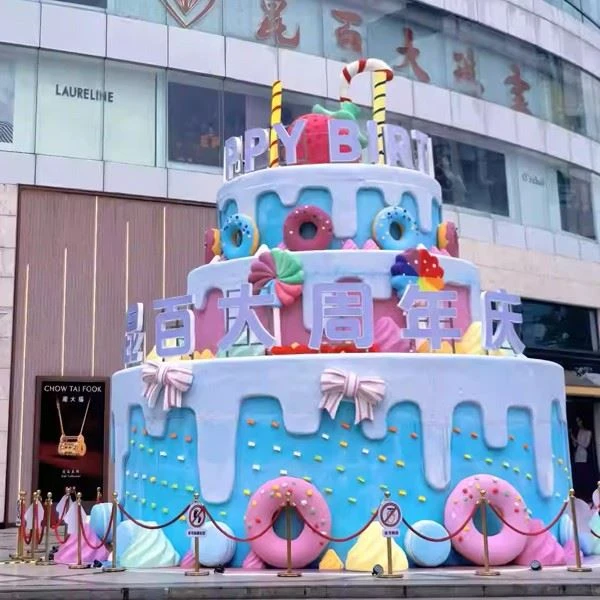

The color and style of the sculptures should also be in harmony with the overall theme of the park. If the park has a natural, rustic theme, the food sculptures should be designed in a way that complements this aesthetic. For instance, using earthy tones and organic shapes can make the sculptures fit in better with the natural surroundings.
Community Engagement
Large food sculptures in parks can also be a great way to engage the local community. Park authorities can involve the community in the design and installation process. This can include holding public consultations to gather ideas and feedback on the sculptures. Community members can also be involved in the maintenance of the sculptures, such as through volunteer programs. This not only helps to build a sense of ownership among the community but also ensures that the sculptures are well - cared for.
Marketing and Promotion
Once the large food sculptures are installed in the park, it is important to market and promote them effectively. Park authorities can use social media, local newspapers, and community events to raise awareness about the sculptures. This can attract more visitors to the park and increase its popularity.
Conclusion
In conclusion, large food sculptures can be a great addition to parks. They offer numerous benefits, including enhanced aesthetic appeal, increased visitor attraction, and educational value. However, careful consideration needs to be given to factors such as cost, location, and maintenance. As a large food sculpture supplier, I am confident that with proper planning and execution, these sculptures can transform parks into more vibrant and engaging public spaces.
If you are interested in exploring the possibility of adding large food sculptures to your park, I encourage you to contact us for a consultation. We can work with you to design and create the perfect sculptures that meet your specific needs and budget.
References
- Brown, A. (2018). Public Art in Urban Parks: A Design Guide. Routledge.
- Green, B. (2020). The Impact of Art Installations on Public Spaces. Journal of Urban Design, 25(3), 321 - 335.
- White, C. (2019). Community Engagement in Public Art Projects. Public Art Review, 12(2), 45 - 56.


