


Is food sculpture an art form? This question has sparked numerous debates and discussions among art enthusiasts, food lovers, and critics alike. As a supplier of food sculptures, I have witnessed firsthand the intricate process, creativity, and skill that goes into crafting these edible masterpieces. In this blog post, I will delve into the world of food sculpture, exploring its artistic merits, and why I firmly believe it is indeed a legitimate art form.
The Creativity and Vision Behind Food Sculpture
Food sculpture begins with an idea, a vision that the artist wants to bring to life. Just like a painter starting with a blank canvas or a sculptor with a block of marble, a food sculptor looks at raw ingredients as their medium. The creativity involved is not limited to the final shape but also encompasses the choice of ingredients, their colors, textures, and how they interact with each other.
For instance, consider a display of Sweet Sculpture. The sculptor has to think about the different types of candies, chocolates, and icing that will be used. They must envision how these sweet treats will combine to create a visually appealing and structurally sound piece. The use of colors, from the bright red of a strawberry - flavored candy to the rich brown of chocolate, can evoke emotions and tell a story, much like a traditional work of art.
The Technical Skill Required
Creating a food sculpture is no easy feat. It demands a high level of technical skill, precision, and patience. Food sculptors need to understand the properties of the ingredients they are working with. For example, ice cream sculptures are a delicate craft. In Ice Cream Sculpture, the sculptor has to work quickly to prevent the ice cream from melting while carefully carving and shaping it. They must know how to temper the ice cream to achieve the right consistency for detailed work.
Similarly, when it comes to Burger Sculpture, the sculptor has to play with the layers, arranging the ingredients in a way that is both aesthetically pleasing and structurally stable. They need to consider the balance of colors between the green lettuce, red tomato, yellow cheese, and brown burger patty, and how each layer will hold up over time.
The Conceptual Depth
Food sculptures often carry deeper conceptual meanings. They can be used to comment on social issues, cultural traditions, or simply to evoke a sense of wonder. For example, a food sculpture might be created to raise awareness about a particular environmental problem, using food waste to form the centerpiece of the sculpture. This not only showcases the creativity of the artist but also sparks conversations and encourages people to think about important topics.
In some cases, food sculptures can be a celebration of cultural heritage. They can incorporate traditional foods and ingredients that are unique to a particular region, serving as a visual representation of that culture's identity. This connection between art, food, and culture adds another layer of depth to food sculptures, elevating them beyond simple edible objects.
The Transience of Food Sculpture
One of the unique aspects of food sculpture is its transience. Unlike traditional art forms like paintings or sculptures made of stone, food sculptures are meant to be consumed. This impermanence can be seen as either a drawback or a strength. On one hand, it means that the work of art has a limited lifespan. On the other hand, it adds an element of immediacy and urgency to the viewing experience.
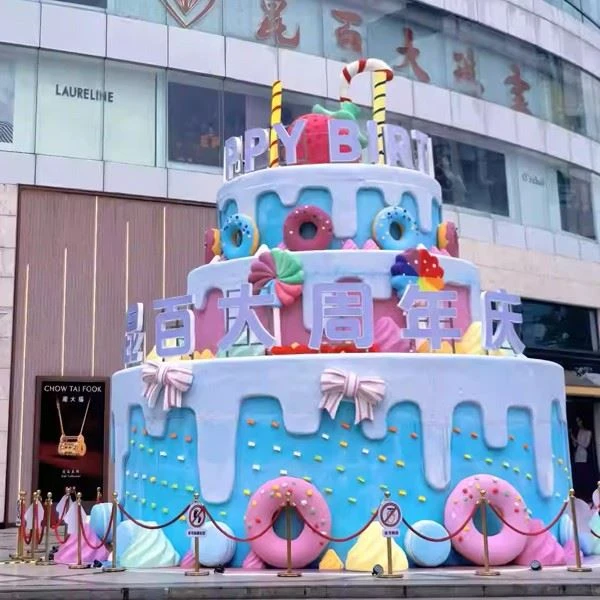

The fact that people know the food sculpture will eventually disappear makes the moment of viewing it all the more precious. It also encourages interaction, as viewers are often invited to not only admire but also taste the creation. This form of engagement is quite different from traditional art, where the viewer generally observes from a distance.
The Aesthetic Appeal
Aesthetics play a crucial role in determining whether something is considered art, and food sculptures certainly have a lot to offer in this regard. The visual impact of a well - crafted food sculpture can be stunning. The smooth curves of a chocolate mousse sculpture, the crispy edges of a fried food creation, and the vibrant colors of a fruit - based sculpture all contribute to its overall beauty.
Food sculptures can also be designed to fit a particular theme or setting. Whether it's a corporate event, a wedding, or a museum exhibition, the sculptor can tailor the design to suit the occasion. This adaptability further demonstrates the artistic nature of food sculpture.
The Market for Food Sculpture
As a food sculpture supplier, I have seen the growing demand for these unique art pieces. More and more event planners, restaurants, and individuals are looking for ways to add a touch of creativity to their events or spaces. Food sculptures can serve as eye - catching centerpieces, creating a memorable experience for guests.
In addition to events, food sculptures are also becoming popular in the food industry for marketing and promotional purposes. A well - designed burger sculpture can attract customers to a new restaurant, while a sweet sculpture can be used to launch a new line of candies.
Why You Should Consider Food Sculpture for Your Next Project
If you are planning an event, a marketing campaign, or simply want to add a unique element to your space, food sculpture is an excellent choice. Not only do they offer a visually striking alternative to traditional decorations, but they also provide an interactive and delicious experience for your guests.
As a professional food sculpture supplier, I am committed to delivering high - quality, custom - designed sculptures that meet your specific needs and expectations. Whether you have a specific theme in mind or need inspiration, our team of talented sculptors is ready to bring your ideas to life.
If you are interested in exploring the world of food sculpture further or would like to discuss a potential project, I encourage you to reach out. We can work together to create a one - of - a - kind food sculpture that will leave a lasting impression.
References
- Baker, J. (2018). The Art of Food Sculpture. Gastronomy Press.
- Carlo, M. (2020). Edible Art: Exploring Food Sculpture. Culinary Arts Journal.
- Harris, R. (2019). The Creativity of Food Sculptors. Artistic Endeavors Magazine.


