2026 Fiberglass Planter Trends: Modern Designs for Commercial and Outdoor Spaces
Choosing planters for a hotel courtyard, shopping center, office entrance, or outdoor terrace involves more than selecting an attractive shape. The containers must work with the surrounding architecture, accommodate the intended plants, and remain practical to install and maintain.
In 2026, fiberglass planter design is increasingly being discussed in the context of broader changes in commercial landscaping: more expressive forms, nature-inspired finishes, flexible outdoor layouts, and greater attention to long-term performance.
Fiberglass-reinforced plastic (FRP) offers designers the ability to create rounded, geometric, and custom-shaped containers through molded construction. However, the value of a modern fiberglass planter depends on more than its appearance. Size, planting depth, drainage, surface finish, and installation conditions all influence whether a design works in practice.
The following design directions reflect developments reported across the landscape and commercial interiors industries in 2026, together with their practical implications for commercial planter selection.
Sculptural Planters Are Becoming Part of the Architecture

One notable direction in contemporary planter design is the use of containers as architectural elements rather than simply as holders for plants.
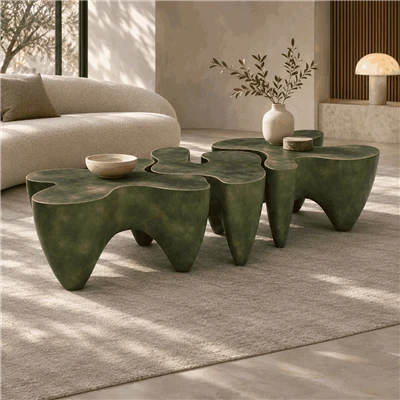
Large rounded forms, tapered cylinders, shallow bowls, and faceted geometric planters can establish a recognizable visual rhythm within a space. Their shapes influence how planting arrangements relate to furniture, entrances, circulation routes, and surrounding building materials.
Rounded fiberglass planters are particularly useful where a softer silhouette is needed alongside straight architectural lines. In contrast, angular or rectangular planters can reinforce a building's geometric layout.
Low-profile bowl planters offer another approach. Their broad horizontal shape can support arrangements of suitably sized low-growing plants while preserving sightlines across a seating area or courtyard. However, a shallow exterior profile does not automatically mean that the container has sufficient soil depth for every plant species.
For commercial designers, the important question is not simply which shape looks more contemporary. It is how the planter's proportions contribute to the overall spatial arrangement.
Planters Are Helping Define Flexible Commercial Spaces
Hotels, office developments, and mixed-use properties increasingly use outdoor areas for multiple activities, including dining, informal meetings, relaxation, and circulation.
This creates a practical role for larger planters.
Long rectangular fiberglass planters can help separate seating areas from pedestrian routes without requiring permanent partitions. A series of cylindrical planters can mark an entrance or create a transition between different outdoor zones. Individual sculptural containers can introduce greenery at selected focal points.
The advantage is visual flexibility. Planting arrangements can establish boundaries while maintaining a connection between adjacent spaces.
However, large planters should not be assumed to be easy to relocate once filled. Soil, water, plants, and any internal reinforcement contribute to the total installed weight. Projects expecting frequent layout changes need to consider suitable handling arrangements and access for maintenance.
The trend toward multifunctional commercial landscapes is also reflected in 2026 industry coverage from Buildings, which emphasizes the relationship between landscape design, usability, and ongoing property management.

Natural Finishes and More Intentional Colors

The visual direction for commercial planters in 2026 is not limited to one dominant color.
Warm neutrals, stone-inspired surfaces, muted greens, and earthy tones are being used to connect planting containers with architectural materials. Meanwhile, selected projects are introducing stronger colors to create contrast or reinforce a recognizable interior design scheme.
These approaches serve different purposes.
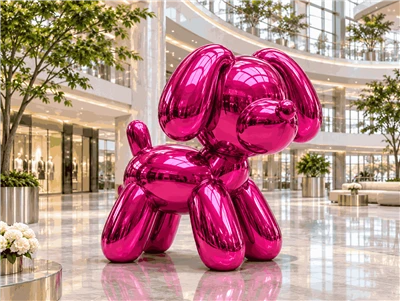
A matte stone-like finish can make a fiberglass planter visually compatible with natural paving, textured walls, or concrete surfaces. Smooth neutral finishes allow foliage to remain the main visual element. In retail or branded environments, a carefully selected accent color can make the planter itself part of the display.
Commercial greenery specialists have also identified sculptural containers, natural textures, and deliberate color choices as important design directions in 2026. Bristol Botanics' commercial greenery outlook discusses these approaches in workplace and hospitality environments.
For fiberglass products, surface appearance is determined by the actual finishing process. A stone-effect coating is not the same material as natural stone, and a metallic-looking finish does not necessarily involve a metal-plated surface.
When specifying custom colors, designers should request an appropriate color or finish sample. Appearance can vary with surface texture, gloss level, lighting, and production methods.
The priority is consistency with the architectural design rather than choosing a finish solely because it is fashionable.
Plant Selection Is Influencing Planter Design Earlier
Another important development is the closer relationship between container selection and planting strategy.
Landscape designers are paying greater attention to locally adapted planting, water requirements, seasonal performance, and maintenance. The National Association of Landscape Professionals' 2026 plant trends discussion highlights interest in native and climate-appropriate plants, while also noting that preferences differ by region.
This has direct implications for fiberglass planter specifications.
A wide, shallow container may accommodate certain low-growing arrangements, but it may not provide sufficient root depth for larger shrubs. A tall planter can create a stronger vertical accent, yet its exterior height should not be confused with the usable planting volume.
For larger plants, root development, soil volume, water retention, and the total weight of the planting system all need to be considered.
As a result, the most useful approach is to determine the planting requirements before finalizing the planter dimensions. The plant and container should be treated as one coordinated design rather than separate purchases.

Outdoor Performance Is Becoming a Design Priority
For commercial outdoor projects, appearance alone is not enough.
A planter installed in a shaded courtyard faces different conditions from one placed on an exposed rooftop or near the coast. Sunlight, moisture, temperature changes, wind, irrigation, and cleaning practices can affect the required product specification.
Fiberglass is a useful material for molded planter forms, and its relatively low empty weight can be an advantage compared with some traditional heavy container constructions. Nevertheless, the finished weight depends on the actual laminate, reinforcement, size, and other components.
Outdoor performance also depends on the resin and coating systems used. The term "fiberglass" by itself does not confirm ultraviolet resistance, freeze-thaw performance, color retention, or suitability for prolonged exposure to salt or pool chemicals.
Drainage requires equal attention. A planter intended for outdoor planting may need suitable drainage openings or other water-management provisions. Indoor installations may instead require a liner or a carefully designed system to prevent water from reaching the surrounding floor.
The U.S. Environmental Protection Agency's green infrastructure design guidance emphasizes the importance of site conditions, plant selection, drainage, and maintenance planning. Although decorative planters are not automatically engineered stormwater-management systems, the same principle of planning for real environmental conditions remains relevant.
For buyers, documented material specifications and practical drainage details are more valuable than broad claims that a planter is suitable for every climate.

Custom Sizes and Coordinated Collections

Commercial projects rarely consist of a single planter placed in isolation.
A hotel may require matching containers at several entrances, while a shopping center may need different sizes that share a consistent visual style. An office development might use rectangular planters along circulation routes and rounded containers in its reception area.
This encourages the use of coordinated planter collections rather than unrelated individual designs.
Fiberglass manufacturing offers flexibility in creating different profiles and dimensions, but customization requires careful consideration of the production method.
Changing a planter's diameter, height, or curvature may require adjustments to the mold. Larger dimensions can also affect wall construction, reinforcement, stability, and packaging. Decorative finish changes may be simpler than structural alterations, although their feasibility still depends on the actual manufacturing process.
For multi-location commercial projects, consistent dimensions, approved finish references, and clear production specifications help reduce differences between batches.
Custom manufacturing is most effective when the intended design is translated into measurable requirements before production begins.
How Should Buyers Choose Fiberglass Planters for a 2026 Project?
Design trends can provide inspiration, but the final selection should respond to the site and the planting requirements.
A commercial buyer should evaluate both the visual design and the practical specification before approving a planter for production.
| Project Consideration | What to Evaluate |
|---|---|
| Shape and Proportion | Relationship to architecture, planting and pedestrian space |
| Planting Requirements | Opening dimensions, internal depth, soil volume and drainage |
| Material Construction | FRP construction, wall thickness and any required reinforcement |
| Surface Finish | Color reference, texture, gloss level and exposure conditions |
| Installation | Empty and filled weight, base stability, access and fixing requirements |
| Custom Production | Mold requirements, approved samples, quantity and manufacturing lead time |
| Delivery | Overall dimensions, packaging, unloading and handling arrangements |
Different commercial environments may require different priorities.
For a hotel entrance, visual scale and consistency with the building materials may be especially important. An exposed commercial terrace requires closer attention to environmental conditions, drainage, and stability. In a shopping center, maintenance access and the relationship between planting displays and circulation routes may influence the final choice.
No single planter shape or finish is appropriate for every project. The strongest result comes from balancing the design concept with the practical requirements of the location.
Frequently Asked Questions
What fiberglass planter designs are trending in 2026?
Sculptural rounded planters, low-profile bowls, geometric forms, coordinated planter collections, and nature-inspired finishes are among the design directions receiving attention. The appropriate choice depends on the surrounding architecture and intended planting arrangement.
Are large fiberglass planters suitable for commercial outdoor spaces?
They can be considered for outdoor projects, provided the construction, coating, drainage, stability, and installation requirements are appropriate for the site. Outdoor performance should be confirmed through the actual product specification.
Can fiberglass planters be manufactured in custom shapes and colors?
Fiberglass molding supports a range of shapes and surface treatments. Custom designs may require new molds, revised structural details, or approved finish samples, depending on the proposed changes and manufacturing process.
What should buyers check before ordering shallow fiberglass planters?
The most important factors include usable planting depth, opening dimensions, drainage, plant selection, and installation conditions. External dimensions alone do not determine whether a shallow container will support the intended plants.
Conclusion: What Defines Modern Fiberglass Planter Design in 2026?
The most meaningful fiberglass planter trends in 2026 extend beyond individual shapes or fashionable colors. They reflect a wider approach to commercial landscape design in which planting containers contribute to architecture, spatial organization, and long-term usability.
Sculptural forms and natural finishes provide new visual possibilities, while climate-aware planting, drainage planning, and coordinated customization influence how these designs perform in actual projects.
For architects, landscape designers, and commercial buyers, the best modern fiberglass planter is not necessarily the most unusual or visually prominent. It is the one whose form, material construction, planting requirements, and site conditions have been considered together.