Fiberglass Planters: A Practical Guide to Performance, Durability, and Selection
Fiberglass planters have become increasingly common in commercial landscapes, hotels, urban public spaces, and modern home gardens. Landscape architects and project buyers often recommend them for large outdoor installations, while homeowners appreciate their clean appearance and manageable weight.
But a critical question remains: are fiberglass planters actually good, and good for whom?
This guide provides a clear, material-level explanation of fiberglass planters-how they are made, how they perform in real environments, how they compare with ceramic, wood, and concrete planters, and how to choose the right fiberglass planter for your specific use case. The goal is practical understanding, not general claims.
What Are Fiberglass Planters and Why They Matter
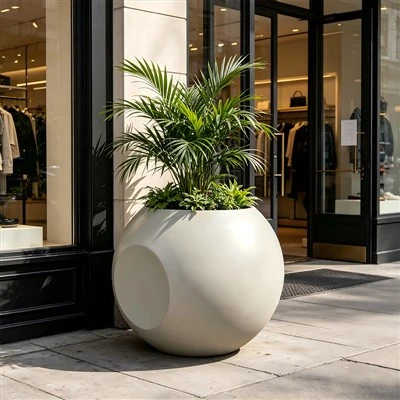
Fiberglass planters are containers made from fiberglass‑reinforced plastic (FRP)-a composite created by combining strong glass fibers with a resin matrix. This combination results in a material that is:
- Strong and weather resistant, capable of sustaining long‑term outdoor exposure;
- Lightweight, so even large planters can be moved without heavy equipment;
- Highly customizable in shape, size, and finish; and
- Low maintenance, requiring minimal care to stay attractive.
Unlike traditional pottery or cement planters that may crack, chip, or become waterlogged, fiberglass planters are engineered to handle modern landscaping and design challenges, including roof gardens, commercial plazas, and high‑end residential patios.


How Fiberglass Planters Perform in Real‑World Conditions
Understanding material performance is critical for correct planter selection. Below are key performance factors with specifics on how FRP planters behave under real service conditions:
Weather Resistance and UV Stability
High‑quality fiberglass planters are often treated with UV‑stable gel coats or additives that protect against sunlight‑driven fading and degradation. This makes them suitable for climates ranging from hot desert sun to cold, snowy regions.
- UV resistance means color and surface finish last longer compared to plastic or painted materials.
- Non‑porous surfaces prevent water absorption, reducing the risk of frost cracking in winter.
Strength and Structural Integrity
Although lighter than traditional materials, well‑designed FRP planters resist impact and physical stress. Their composite structure allows slight flexibility under load, so rather than shattering like ceramic, they tend to bend slightly and maintain structural integrity.
Moisture Management and Plant Health
Because fiberglass is non‑porous, it doesn't absorb water. This reduces risks of mold, rot, and the weight increase associated with waterlogged planters. However, proper drainage is still essential to prevent root‑zone water accumulation and plant stress.
Comparing Fiberglass to Traditional Planter Materials
To help you evaluate performance at a glance, here is a direct comparison of fiberglass versus other popular planter materials:
|
Attribute |
Fiberglass (FRP) |
Ceramic/Terracotta |
Wood (Treated/Untreated) |
Concrete/Stone |
|
Weight |
Lightweight |
Heavy |
Moderate |
Very heavy |
|
Weather Resistance |
Excellent |
Moderate (cracks in freeze) |
Variable (rot/warp) |
Very good but can crack |
|
UV Stability |
High |
Moderate |
Low |
High |
|
Maintenance Needs |
Low |
Moderate |
High |
Moderate |
|
Design Flexibility |
Very high |
Limited |
Limited |
Limited |
|
Ease of Installation |
Easy |
Difficult |
Moderate |
Difficult |
|
Longevity (Outdoor) |
10–25+ years with UV coat |
5–10 years (can crack) |
3–7 years (rot risk) |
10–30+ years |
(This table reflects common industry performance trends for these materials, with fiberglass often offering the best balance of lightweight, durability, and ease of care.)
Practical Advantages of Fiberglass Planters
1. Lightweight Yet Strong
Fiberglass planters are typically 60–80% lighter than concrete equivalents of equal size, which dramatically reduces shipping cost and labor required for installation-especially on rooftops or elevated terraces with load limitations.
2. Low Maintenance Requirements
Unlike wood or stone, fiberglass does not require sealing, painting, or annual deep cleaning. A simple wipe with water and mild detergent keeps most finishes looking new.


3. Design Flexibility
Fiberglass can mimic premium materials like cast stone, textured stone, or colored ceramics-but without the associated weight or fragility. Custom shapes, integrated lighting, and branding colors are common in commercial landscapes.
4. Longevity and Lifecycle Cost
Due to durability and minimal maintenance, fiberglass planters often outperform cheaper plastics that fade and become brittle within 5–7 years, extending usable life and reducing replacement frequency.
Potential Limitations and How to Mitigate Them
No material is perfect for all projects. Here are some known limitations of fiberglass planters and how to address them:
Higher Initial Cost
Compared to basic plastic or resin pots, fiberglass is more expensive upfront. However, lifecycle cost analysis frequently shows savings due to longer service life and lower maintenance needs.

Heat Retention and Root Zone Temperature
Fiberglass's non‑porous surface and dark finishes can absorb heat on hot, sunny days, potentially stressing plant roots. Use liners or strategic shading to help manage root zone temperatures.
Quality Variability
Not all fiberglass planters are equal. Lower‑cost products may skimp on resin content or UV inhibitors, leading to premature aging. Always request technical specifications (wall thickness, UV‑resistant gel coat thickness, material test data) from suppliers.
Choosing and Using Fiberglass Planters: Expert Tips
Evaluate Technical Specifications
Ask manufacturers for:
- Wall thickness (ideally 4–8 mm for outdoor durability),
- UV stabilizer description,
- Drainage design and
- Load capacity for soil and plant mass.
Design for Function
- Drainage holes: Ensure built‑in holes are adequate for local rainfall intensity or plan for an overflow channel.
- Placement: On balconies or decks, confirm structural load limits and consider base protection pads to prevent floor marks.
Seasonal Care
While fiberglass can endure extreme climates, providing shade in extreme heat and secured anchoring in high winds will prolong planter life and plant health.
Final Verdict: Are Fiberglass Planters Good?
Yes-fiberglass planters are an excellent choice for both residential gardens and commercial landscape projects when specified and manufactured correctly. They combine:
- Outstanding durability in various climates,
- Low maintenance with high aesthetic flexibility
- Long lifetime with reduced total cost of ownership.
When compared directly with ceramic, wood, or concrete, fiberglass consistently offers superior weight‑to‑strength performance and design adaptability. These qualities make fiberglass especially valuable in urban landscaping, high‑end commercial projects, rooftop gardens, and everyday patio settings.
Whether you're specifying hardscape elements for a large plaza or refreshing your home garden, understanding how fiberglass planters perform and how to select them will help you make decisions that are both aesthetic and practical.