Introduction

When it comes to choosing the right material for planters, fiberglass planters, GRC planters, and fiber clay planters are three popular options. Each of these materials offers distinct features that make them suitable for different environments and needs. In this detailed comparison, we will analyze their durability, weight, maintenance, transportability, and other key factors to help you make an informed decision for your garden or commercial landscaping project.
What Are Fiberglass, GRC, and Fiber Clay Planters?
Fiberglass Planters: The Lightweight, Durable Choice
Fiberglass planters are made from a composite material consisting of glass fibers and resin. This combination results in a planter that is not only lightweight but also highly durable, resistant to UV rays, and capable of withstanding harsh weather conditions. Due to their versatility, fiberglass planters are a popular choice for both residential and commercial projects.
Key Features:
Lightweight: Easy to move and transport.
Durability: Highly resistant to weather conditions, UV damage, and corrosion.
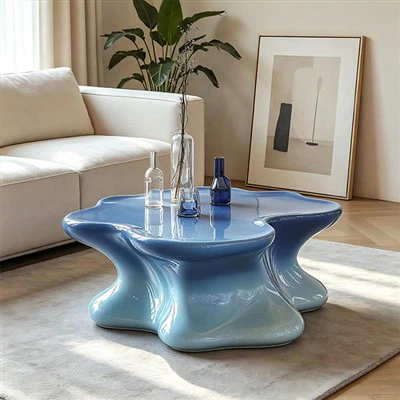
Versatile Surface Finishes: Can be customized with various textures such as matte, high-gloss, wood grain, and stone effects.

GRC (Glass Fiber Reinforced Concrete) Planters: Strong and Heavy
GRC planters are made by combining concrete with glass fibers, resulting in a material that is both strong and durable. GRC is known for its high strength-to-weight ratio, which makes it an excellent option for large-scale commercial projects and public spaces.
Key Features:
Heavy: GRC planters are heavier than fiberglass planters, which can make transportation and handling more difficult.
Strength: Known for their high compressive strength, GRC planters can handle heavy loads and withstand impact.
Weather Resistance: GRC planters are highly resistant to harsh environmental conditions, including exposure to extreme temperatures and moisture.
Fiber Clay Planters: The Natural Look with Added Durability
Fiber clay planters are made by blending clay with fibrous materials such as fiberglass or bamboo. This mix creates a lightweight material that mimics the look of traditional clay pots while offering increased durability and strength.
Key Features:
Natural Appearance: Fiber clay planters have a more traditional, natural look, similar to terracotta.
Moderate Durability: These planters offer decent resistance to weather but are not as durable as fiberglass or GRC.
Moderately Lightweight: While lighter than GRC, fiber clay planters are still heavier than fiberglass.
Comparing Fiberglass, GRC, and Fiber Clay Planters
Material Quality and Durability
| Feature | Fiberglass Planters | GRC Planters | Fiber Clay Planters |
|---|---|---|---|
| Weather Resistance | Excellent, UV and corrosion-resistant | Good, resistant to moisture and temperature extremes | Moderate, best for temperate climates |
| Durability | Very high, resistant to cracks and chips | High, very strong and impact-resistant | Moderate, prone to cracks in extreme conditions |
| Surface Finish | Matte, gloss, wood, stone textures | Natural rough or smooth finishes | Smooth or matte finish, fewer options |
Fiberglass Planters: Ideal for long-term outdoor use, fiberglass planters excel in weather resistance. Their durability ensures they can withstand UV rays, extreme heat, and cold without fading or degrading.
GRC Planters: While GRC is incredibly strong and resistant to impact, it is not as resistant to UV damage as fiberglass. However, it's highly effective in environments where durability is essential.
Fiber Clay Planters: These planters are prone to cracking when exposed to extreme cold but perform well in moderate conditions. They are best suited for indoor or temperate zone applications.

Lifespan and Durability
Fiberglass Planters: These can last 5-10 years, making them an excellent long-term investment for both commercial and residential use.
GRC Planters: GRC planters typically last 8-15 years, depending on exposure to environmental conditions. They are an excellent option for projects requiring long-term durability in high-traffic areas.
Fiber Clay Planters: These are suitable for 5-7 years and work best for residential use or areas with milder climates.
Weight and Transportability
| Feature | Fiberglass Planters | GRC Planters | Fiber Clay Planters |
|---|---|---|---|
| Weight | Very lightweight, easy to move | Heavy, difficult to transport | Moderately heavy, easier than GRC |
| Transportation | Low transportation costs | Higher due to weight | Moderate transportation costs |
Fiberglass Planters: Their lightweight nature makes them the most cost-effective choice for transportation, especially for large commercial projects.
GRC Planters: Due to their weight, GRC planters incur higher transportation costs, making them less economical for large shipments.
Fiber Clay Planters: Fiber clay planters are heavier than fiberglass, but not as heavy as GRC, and thus offer a good balance between weight and durability.
Maintenance and Care
Fiberglass Planters: Require little to no maintenance. They resist fading, cracking, and corrosion, making them an ideal low-maintenance solution for high-traffic areas or commercial spaces.
GRC Planters: While durable, GRC planters need to be regularly checked for signs of wear, especially in extreme climates. They may need to be resealed periodically to protect their surface.
Fiber Clay Planters: These planters require more care, especially in freezing climates, as they are more likely to crack or become brittle over time. Regular cleaning and sealing are recommended.
Case Studies: The Best Planter for Your Project

Case Study 1: Urban Public Spaces
In a large city square, fiberglass planters were used to create vibrant green spaces while withstanding harsh sunlight and heat. These planters not only add aesthetic value but also reduce maintenance costs due to their long-lasting durability.
Case Study 2: Commercial Complex
For a high-end shopping mall, GRC planters were chosen to match the architectural style of the building. Their heavy, industrial appearance complemented the modern aesthetics, while their strength ensured they could handle the outdoor elements in a high-traffic location.


Case Study 3: Residential Gardens
In a temperate climate, fiber clay planters were used in a residential garden. Their natural look fit the aesthetic of the homeowners' outdoor space, and they provided a classic, timeless appeal for the garden.
Conclusion: Why Choose Fiberglass Planters?
After comparing fiberglass planters, GRC planters, and fiber clay planters, fiberglass emerges as the superior choice for most applications. Its lightweight, durable, and low-maintenance qualities make it an ideal solution for both commercial and residential projects. Whether you're designing a public park, an urban plaza, or a private garden, fiberglass planters provide the best long-term investment for your needs.
Looking to Customize a Fiberglass Project ?
If you're planning a project, custom fiberglass solutions can help you achieve both design impact and operational efficiency.
With extensive experience in large-scale custom projects, Boruidi delivers high-quality, fully customizable FRP structures tailored to your concept and space requirements.