Introduction: Why Choosing the Right Material Matters

When planning a sculpture project, selecting the right material is crucial. Material choice affects everything from cost, durability, and installation methods to visual appeal and long-term maintenance. For example, a series of animal sculptures installed in a city's commercial square can achieve completely different results depending on whether fiberglass or metal is used. Fiberglass allows for colorful, interactive sculptures installed within weeks, while metal sculptures provide high-end, lasting visual impact but require a longer construction timeline.
This guide will help you choose the right material for your project based on design goals, budget, environment, and visual expectations.
Material Basics: Fiberglass vs Metal
Fiberglass and metal sculptures have distinct properties that affect their application and performance.
Fiberglass Sculpture
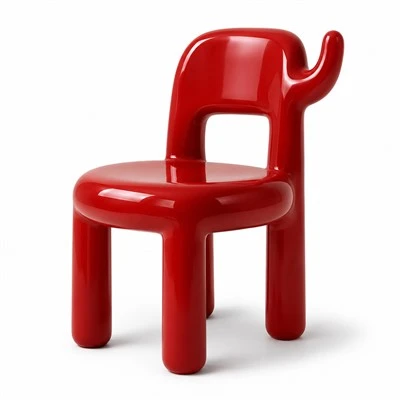
Fiberglass is a composite material made from resin and glass fibers, offering lightweight construction and high design flexibility. It is ideal for large-scale sculptures with complex curves or exaggerated shapes. Its lightweight nature allows for easy transportation and installation, while the material can be painted or coated to achieve effects such as faux bronze, stone, or vibrant cartoon colors.They offer high flexibility in shape and color, making them ideal for commercial plazas, theme parks, and temporary museum exhibitions.


Metal Sculpture (Stainless Steel, Bronze, Weathering Steel):
Metal sculptures provide a high-end, durable finish and are suitable for long-term outdoor installations and public spaces. They require structural support for large-scale pieces and are heavier, which increases installation complexity. Metals such as stainless steel and bronze offer superior strength, weather resistance, and a premium visual effect.
|
Feature |
Fiberglass Sculpture |
Metal Sculpture (Stainless Steel / Bronze) |
|
Weight |
Lightweight, easy to transport and install |
Heavy, requires cranes and foundation support |
|
Cost |
Medium to low, ideal for mass production |
High, due to material and fabrication |
|
Strength |
Good corrosion resistance, moderate impact resistance |
High strength, resistant to damage |
|
Visual Effects |
Wide range of colors, surface textures |
Metallic luster, premium or classic look |
|
Construction Time |
Faster, suitable for rapid deployment |
Longer, complex fabrication process |

Key Differences: Fiberglass excels in lightweight, cost efficiency, and unlimited color and shape freedom. Metal shines in durability, visual quality, and high-end artistic value.
Understanding Fiberglass Sculptures: Advantages, Limitations, and Applications
Fiberglass sculptures are known for their design flexibility and lightweight properties. For example, a 2–3 meter-tall cartoon animal sculpture for a theme park can be molded into expressive, exaggerated forms while maintaining structural integrity. The lightweight material allows quick installation and easy repositioning within the park, while vibrant surface finishes make the sculptures visually engaging for children and visitors.


Fiberglass is also suitable for commercial plazas and temporary exhibitions. A multi-piece flower sculpture installation, each piece around 3–5 meters tall, can be produced and installed quickly, offering color versatility and surface customization that mimics stone, metal, or other materials.
However, fiberglass has some limitations. Its impact resistance is lower than metal, so interactive sculptures in high-traffic areas may require internal steel reinforcement. Surface coatings need regular inspection and touch-ups to prevent water infiltration. Despite these considerations, fiberglass sculptures can last over 10 years in outdoor conditions when properly maintained, making them an ideal choice for creative, budget-conscious projects with complex forms and bright colors.