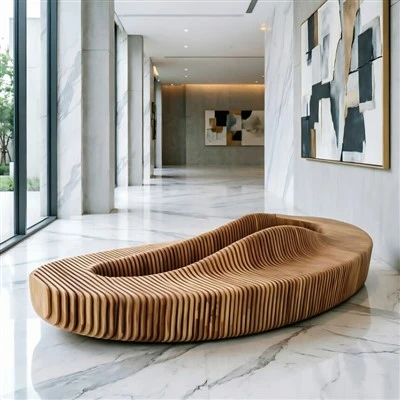
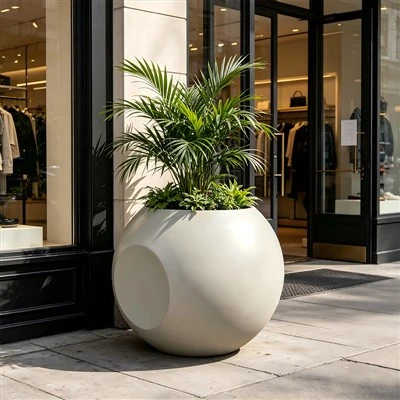
Choosing the right fiberglass patio table isn't just about picking a size or color you like-it's about understanding how the material performs in real outdoor conditions, how design and construction influence long-term durability, and how maintenance and placement affect your investment. This guide breaks down the key factors you need to consider, with clear explanations that help both professional buyers (landscape designers, project procurement) and everyday consumers / garden enthusiasts make intelligent decisions that will last for years.
What Makes Fiberglass a Strong Outdoor Furniture Material
Fiberglass-also known as fiberglass-reinforced plastic (FRP)-combines glass fibers with polymer resins to create a tabletop that is strong, weather-resistant, and lightweight. Unlike traditional wood or metal, properly manufactured fiberglass does not rust, rot, or warp under normal outdoor conditions.
When choosing a patio table, it's important to understand how fiberglass behaves under different outdoor stresses:
- UV exposure-prolonged sunlight can degrade many materials; quality fiberglass tables use UV-resistant resins to minimize fading and surface cracking.
- Moisture and weather cycles-fiberglass does not absorb water the way wood does, so it avoids swelling, bowing, and rot that can plague wood furniture.
- Temperature fluctuation-fiberglass maintains structural integrity across a wide range of temperatures without expanding or contracting drastically.
In contrast to wood or metal, fiberglass can last decades with minimal finish breakdown, and unlike untreated steel or iron furniture, it won't corrode when wet.

Material Performance Compared with Other Outdoor Furniture Options
To know whether fiberglass patio tables are the right choice, it helps to see how they stack up against other popular materials:
|
Material |
UV Resistance |
Water Resistance |
Maintenance |
Typical Lifespan |
|
Fiberglass |
Very High |
Excellent |
Very Low |
15–30+ years |
|
Aluminum |
High |
Excellent |
Low |
10–20 years |
|
Powder-Coated Steel |
Moderate (may rust if finish chipped) |
Moderate |
Medium |
10–20 years |
|
Wood (e.g., Teak) |
High (natural oil) |
Variable |
High |
20–40+ years |
|
Resin / HDPE |
High |
Excellent |
Very Low |
20–30+ years |

How this table helps you choose
If low maintenance and long life with consistent weather resistance are priorities, fiberglass and resin materials outperform most woods and untreated metals.
If classic wood aesthetics are more important and maintenance isn't an issue, teak can be excellent-but requires periodic care.
Metal frames like aluminum will also resist rust and moisture but can transfer heat and may not be as formable as FRP for complex shapes.
Understanding Your Outdoor Environment and Its Impact
Your climate has a major effect on how a fiberglass patio table ages:
High UV / Sunny Climates
Intense or prolonged UV exposure can break down ordinary polymer resins, causing fading and surface brittleness over time. A quality fiberglass table designed for high UV environments incorporates UV-stabilized resins or coatings, which significantly slow this degradation. This difference can easily extend functional aesthetics by years compared to untreated outdoor plastic furniture.
Many traditional materials like untreated wood or painted metal show obvious weathering (splitting, rusting, discoloration) within 1–2 years under constant sun and heat. This is why fiberglass patio tables with UV resistance are preferred for sunny climates.
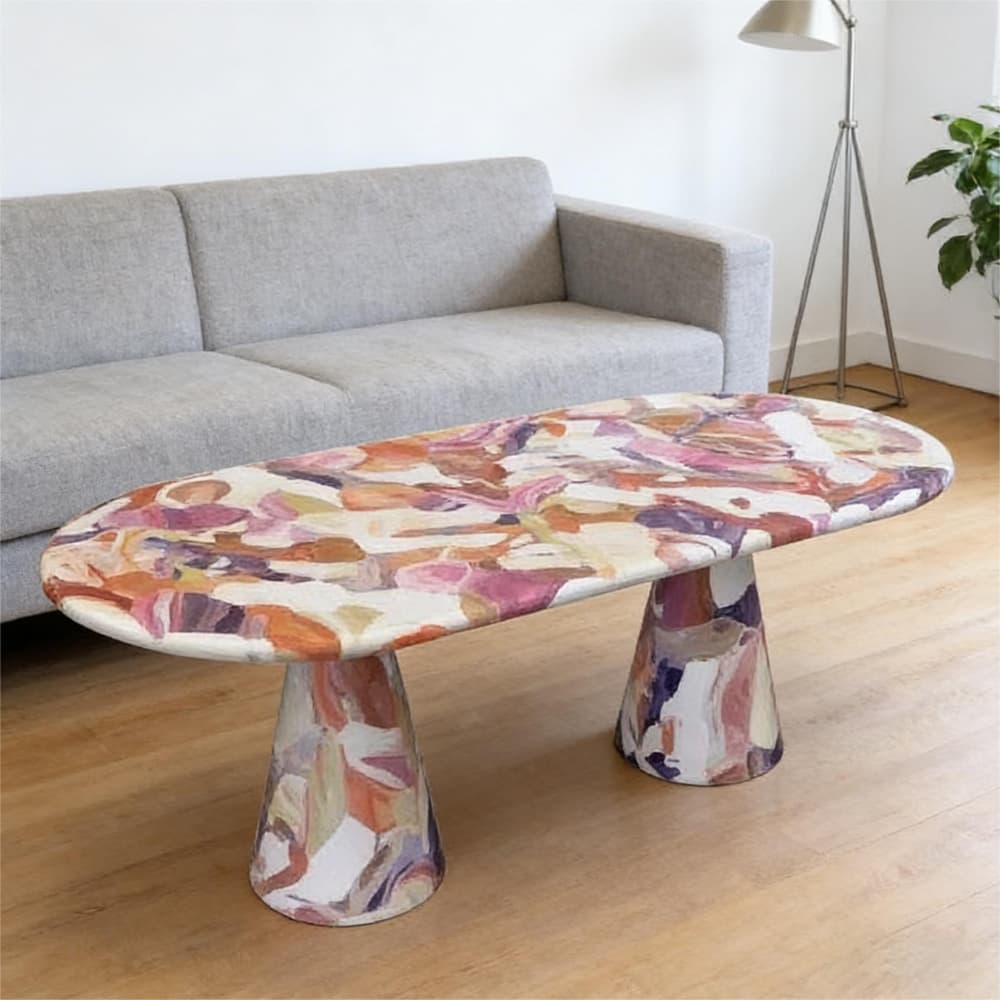

Rain, Humidity, and Moisture
Even though fiberglass doesn't absorb water like wood, moisture affects how accessories and underlying hardware behave:
Metal fasteners can rust if not stainless or properly treated.
Once small cracks or seams form (e.g., from impacts or pressure), water can lodge in edges and accelerate deterioration of less robust materials.
Reliable fiberglass products are engineered to minimize seams and use corrosion-resistant hardware so that the table doesn't become a mold or mildew breeding spot over time.
Coastal / Salt Air Conditions
Salt aerosol in the air near oceans accelerates corrosion in metals. While fiberglass itself resists water and doesn't corrode like steel, any metal support or hardware exposed to salty conditions still needs to be marine-grade stainless steel to avoid rust.
This combined construction approach-corrosion-resistant fiberglass body+stainless hardware-makes fiberglass patio tables a strong candidate for beachfront properties.
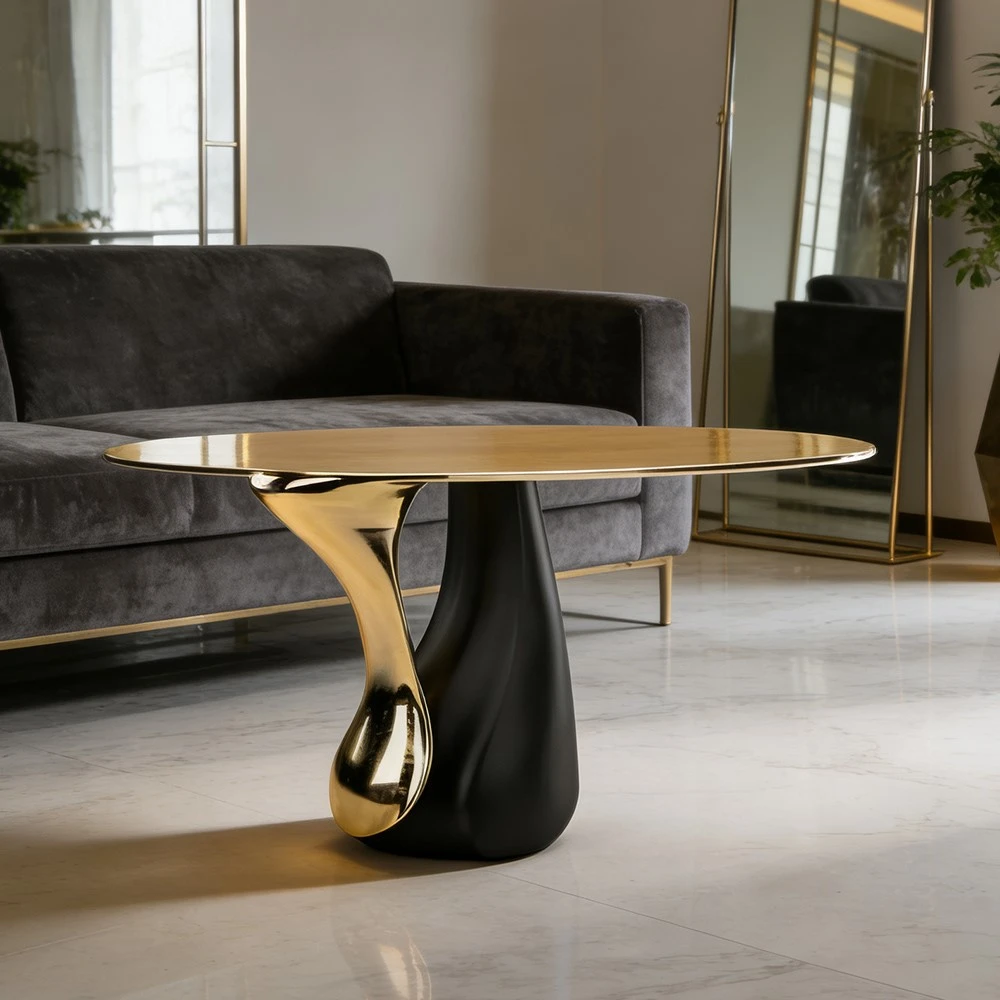

Choosing the Right Size and Shape for Your Space
Picking a fiberglass patio table isn't just about material-size and shape determine how usable and comfortable the table will be.
Sizing for People and Movement
A table's dimensions should align with:
- Seating comfort: Ideally, allow at least 600 mm (~24 inches) per person of tabletop edge for elbow room.
- Traffic flow: Surrounding walkways should have at least 900 mm (36 inches) of clearance so guests and servers can move easily around the table.
For example, a 1800 × 1000 mm fiberglass patio table may be labeled as a six-to-eight person table, but if the chairs and clearance space don't allow people to sit without bumping knees or squeezing through gaps, it won't function well.
Tip: In a small garden or balcony, proportionally smaller tables (e.g., 1500 × 900 mm) often work better because they don't crowd the space-even though a larger table might technically seat more.
Shape Matters for Comfort and Function
- Rectangular tables are classic and fit most patios, but their long parallel edges can make conversation across the table harder.
- Round or oval tables are excellent for social settings because everyone can make eye contact, but they take more square footage for the same seating capacity.
- Modular tables or extension boards offer flexibility if you sometimes need a larger surface but want a compact table most of the time.
So before choosing, consider how you'll use it: entertaining a dinner party vs. weekend family breakfasts vs. casual drinks with friends.


Structural Design and Stability: What to Look For
Why Frame and Hardware Matter
A fiberglass patio table's tabletop is only one part of the equation-the legs, supports, and how the table is fastened together determine its long-term stability.
- Tables with reinforced internal ribbing or frames distribute weight better and resist warping over time.
- If you live in a area with strong winds, heavier or anchored designs prevent tipping or movement.
- Hardware such as bolts and screws should be rust-resistant (e.g., stainless steel) so they keep the table solid through wet weather.
Even a beautifully cast fiberglass surface can flex or move if the support structure is weak. Professional contractors and designers often insist on integrated reinforcement so that outdoor tables perform reliably in commercial settings.
Weather Resistance and Longevity in Real Use
Outdoor tables face multiple stresses:
- UV radiation from sunlight
- Wet–dry cycles from rain or sprinklers
- Heat and cold temperature swings
- Abrasion from use and cleaning
While fiberglass inherently resists moisture and does not warp like wood, its long-term performance still depends on resin formulation, surface coatings, and quality of finish.
Many fiberglass outdoor products are designed to retain their structural integrity for 10–20+ years. In comparison:
- Unprotected wood can rot or crack within a few years without regular sealing and maintenance.
- Untreated metal can rust and weaken over time.
Choosing products with good weather resistance not only extends life but also reduces total cost of ownership, because you'll spend less on repairs and replacement.

Maintenance: What It Really Takes
One of the reasons fiberglass is popular is that maintenance is comparatively easy. Regular care means:
- Wiping surfaces with mild soap and water-no sanding, staining, or sealing required.
- Quick inspections of fasteners and hardware-tighten or replace if signs of corrosion appear.
- Use gentle, non-abrasive cleaners to avoid dulling finishes.
Different materials require very different maintenance:
- Wood patios need periodic sealing or oiling.
- Metal furniture often needs rust prevention coatings.
- Fiberglass generally does not, making it appealing for low-maintenance homeowners.
Understanding maintenance helps you budget properly for long-term use, rather than being surprised by labor or material costs later.
Practical Buying Tips for Fiberglass Patio Tables
When comparing models and quotes, consider asking suppliers:
- What resin and UV protection additives are used?
- Is the table tested for weather resistance?
- Is the frame reinforced, and what type of hardware is used?
- What is the manufacturer's recommended maintenance?
- Are replacement parts available?
Getting precise answers-not just marketing claims-helps you compare products substantively.
Conclusion: Making an Informed Choice
A fiberglass patio table can be an excellent choice for your outdoor space when selected thoughtfully. By understanding how materials perform in your specific environment, matching table size and shape to your space and usage patterns, and considering structural stability and maintenance needs, you can choose a table that gives you years of reliable service.
Unlike furniture chosen solely for looks, a well-chosen fiberglass patio table performs functionally under real weather conditions and reduces long-term upkeep.