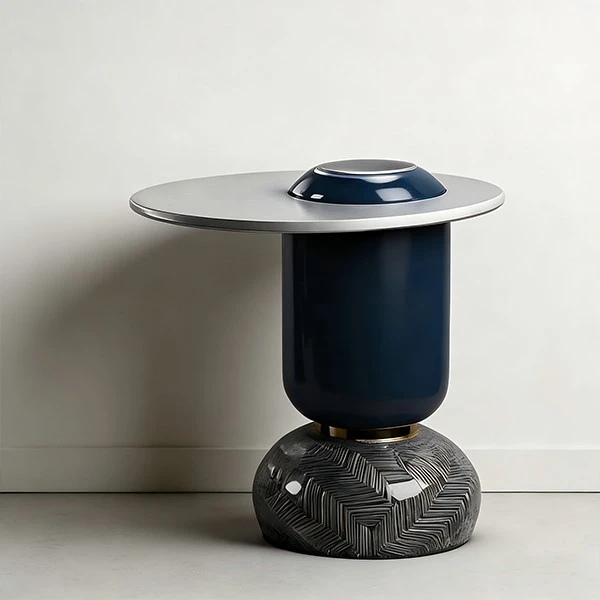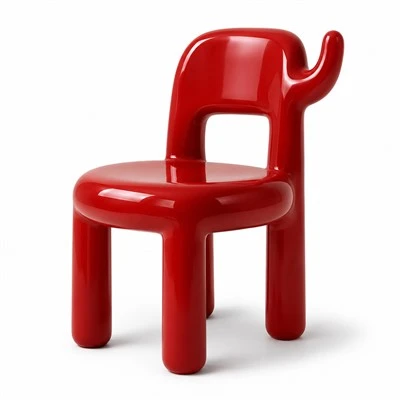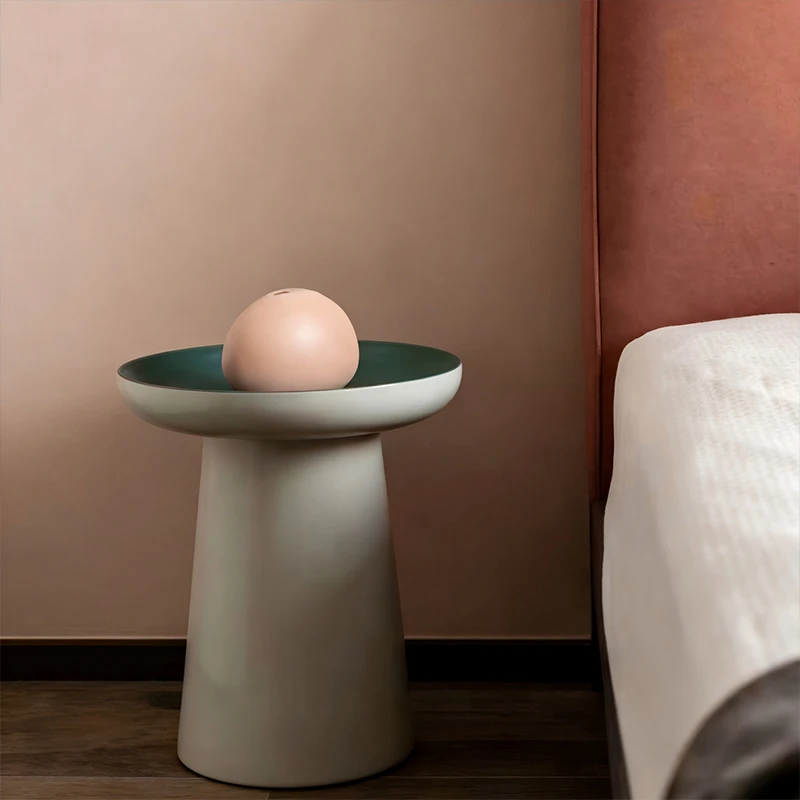
Introduction: Why Are Fiberglass Side Tables Becoming So Popular?
When choosing a side table for a living room, patio, hotel lounge, or commercial space, many people focus on design first. However, material plays an equally important role in durability, maintenance, and long-term performance.
In recent years, fiberglass side tables have become increasingly popular in both residential interiors and commercial projects. Designers appreciate their sculptural flexibility, while property developers value their durability and weather resistance.
But what exactly is a fiberglass side table?
Is it suitable for outdoor use?
And how do you choose the right one for your space?
This guide will walk you through everything you need to know-from material basics and design possibilities to practical buying tips-so you can confidently decide whether a fiberglass side table is the right choice.
What Is a Fiberglass Side Table?
A fiberglass side table is a table made from fiberglass (FRP), a composite material created by combining glass fibers with resin.
This material is widely used in industries such as aerospace, marine manufacturing, and architectural construction because it offers a unique balance of strength, lightweight structure, and design flexibility.
For furniture applications, fiberglass is typically molded into a specific shape and then finished with multiple layers of sanding and painting to achieve a smooth, durable surface.
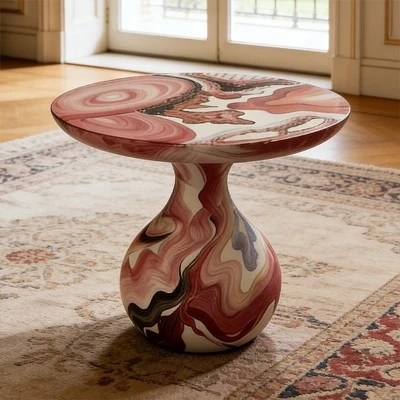
As a result, fiberglass side tables often feature:
- seamless sculptural forms
- glossy or matte finishes
- lightweight but strong structures
- resistance to moisture and weather
Because fiberglass can be molded rather than assembled from parts, it allows designers to create shapes that would be difficult or impossible with traditional materials like wood or metal.
Why Choose a Fiberglass Side Table?
Exceptional Durability
Fiberglass is highly resistant to cracking, corrosion, and environmental damage. Unlike wood, it does not warp due to humidity, and unlike metal, it does not rust.
This makes fiberglass side tables suitable for both indoor and outdoor use, especially in areas exposed to changing weather conditions.
Lightweight but Strong
Despite its solid appearance, fiberglass furniture is relatively lightweight compared with stone or concrete tables. This makes it easier to move or reposition while still maintaining excellent structural stability.
Unique Design Possibilities
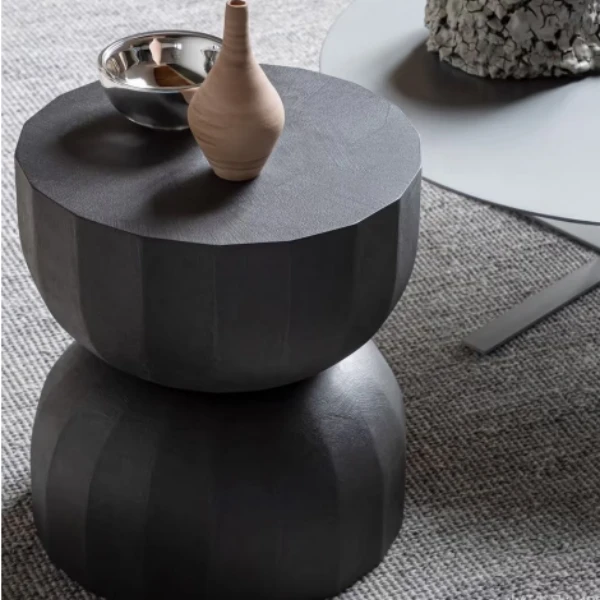
One of the biggest reasons designers choose fiberglass is its molding capability. Instead of assembling flat panels, manufacturers can create fluid shapes, curved silhouettes, and sculptural forms.
This is why many modern fiberglass side tables feature artistic designs such as:
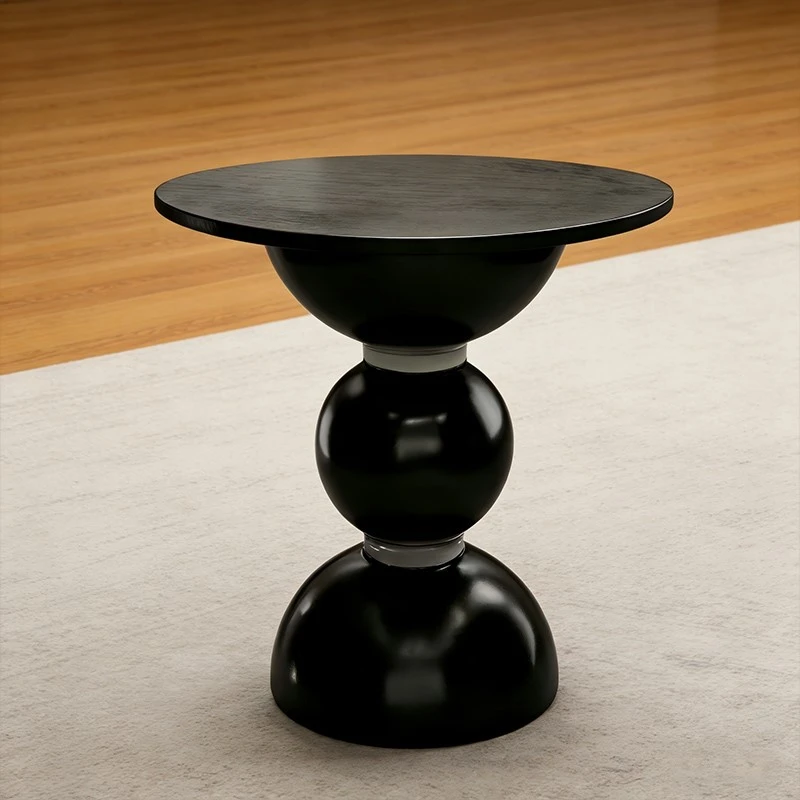
- rounded geometric shapes
- cartoon-inspired tables
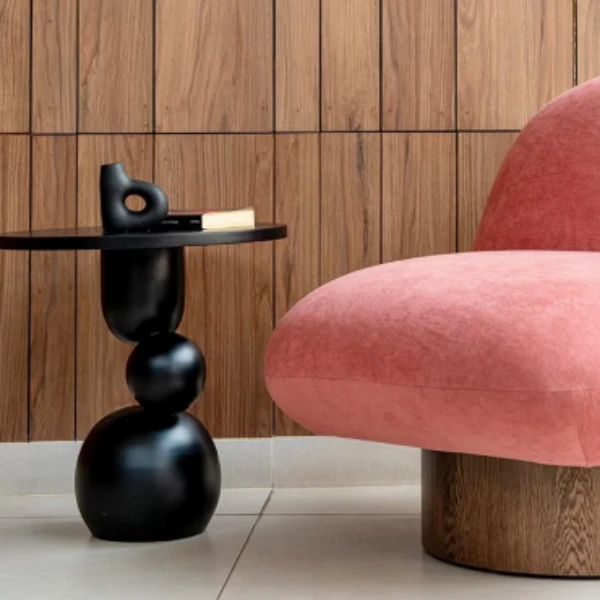
- sculptural pedestal bases
- abstract artistic forms
Low Maintenance
Fiberglass surfaces are typically sealed with high-quality coatings that resist stains, moisture, and UV exposure. Cleaning usually requires nothing more than a damp cloth and mild detergent.
For busy commercial spaces like hotels, resorts, or retail environments, this low-maintenance quality is particularly valuable.
Fiberglass vs Other Side Table Materials
When choosing a side table, the material can significantly influence durability, maintenance, and overall appearance. Many buyers compare fiberglass with more traditional options such as wood, metal, or stone.
Each material has its own strengths, but fiberglass stands out for its combination of design flexibility, durability, and weather resistance. The table below provides a quick comparison to help you understand the differences.
Fiberglass vs Wood
Wood side tables offer natural warmth and classic aesthetics. However, they are more vulnerable to humidity, scratches, and long-term wear. Outdoor exposure often requires special treatments or protective finishes.
Fiberglass, on the other hand, maintains its shape and finish even in humid or outdoor conditions.
Fiberglass vs Metal
Metal tables are durable but can feel cold or industrial in certain interiors. They are also prone to corrosion if the protective coating is damaged.
Fiberglass avoids these issues while still offering strong structural integrity.
Fiberglass vs Stone or Concrete
Stone and concrete tables are extremely durable but also very heavy. Moving them or rearranging spaces can be difficult.
Fiberglass provides a similar solid appearance while being significantly lighter and easier to handle.
| Material | Durability | Weight | Design Flexibility | Maintenance | Outdoor Suitability |
|---|---|---|---|---|---|
| Fiberglass | Highly durable and resistant to moisture, corrosion, and cracking | Lightweight but strong | Excellent – can be molded into complex sculptural shapes | Very low maintenance | Excellent |
| Wood | Moderate durability; may warp or crack over time | Medium | Limited to traditional shapes and joinery | Requires regular maintenance and sealing | Limited unless specially treated |
| Metal | Strong but may corrode if coating is damaged | Medium to heavy | Moderate design flexibility | Occasional maintenance needed to prevent rust | Good with protective coating |
| Stone / Concrete | Extremely durable | Very heavy | Limited shape flexibility | Low maintenance | Excellent but difficult to move |
From this comparison, fiberglass offers a unique balance of strength, lightweight structure, and creative design potential. While materials like stone provide extreme durability and wood offers a natural aesthetic, fiberglass bridges the gap by combining durability with modern design versatility.
For designers and commercial projects, this balance often makes fiberglass a practical and visually striking choice.
Popular Fiberglass Side Table Designs
Some of the most popular design styles include the following.
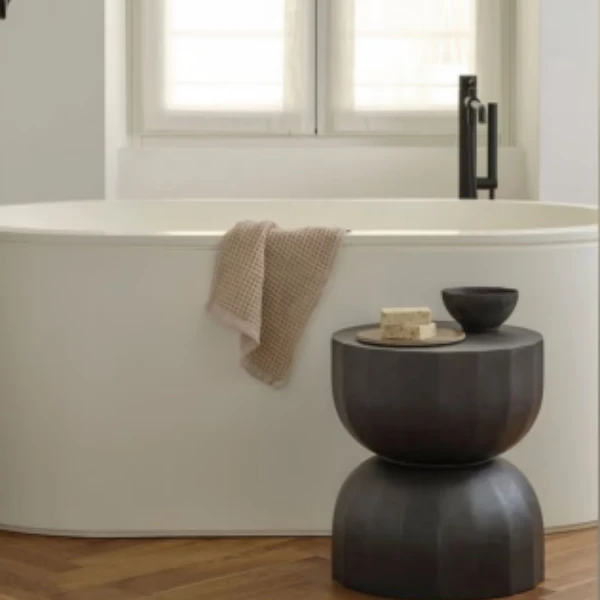
Sculptural Side Tables
These tables often resemble small art pieces rather than traditional furniture. They may feature curved forms, stacked shapes, or asymmetrical designs.
Such pieces work well in modern interiors, art galleries, and luxury hotel lobbies.
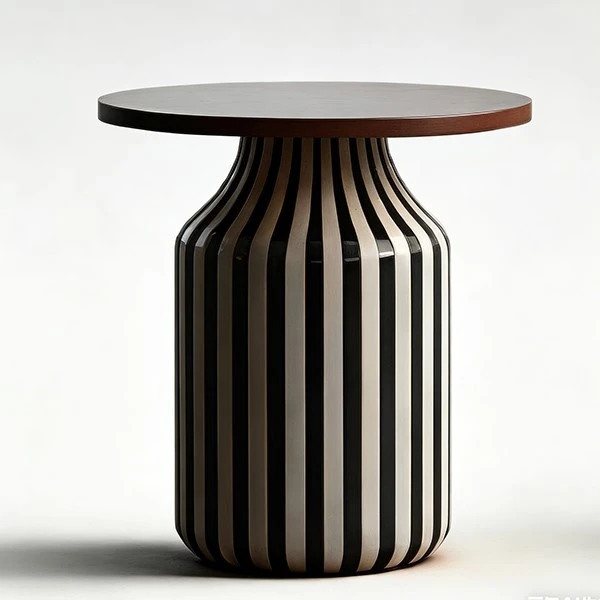
Minimalist Cylinder Tables
Simple cylindrical fiberglass tables are widely used in contemporary interiors. Their clean geometry pairs well with modern sofas, lounge chairs, and outdoor seating areas.
They are also commonly used in hospitality projects where visual consistency is important.
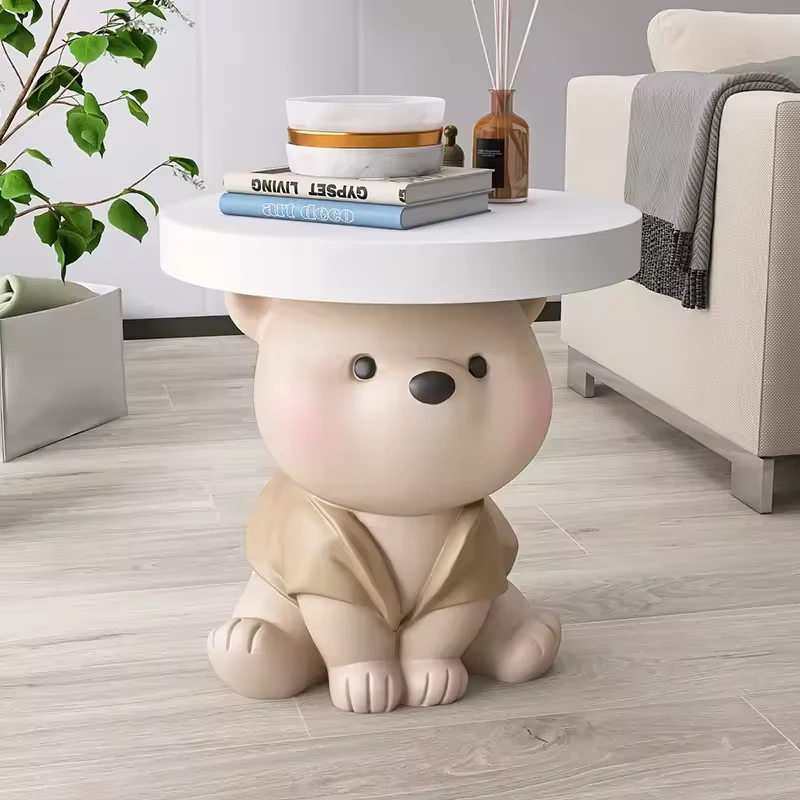
Cartoon or Character Tables
Fiberglass is frequently used to produce playful furniture designs such as animal-shaped side tables or artistic character tables.
These designs are popular in creative retail spaces, themed cafés, and boutique hotels.
Glossy Modern Accent Tables
High-gloss painted fiberglass tables bring a polished, contemporary look to interiors. Bright colors or smooth lacquer finishes make them strong visual accents in minimalist spaces.
Where Fiberglass Side Tables Work Best
Fiberglass side tables are extremely versatile and can be used in a wide range of environments.
Living Rooms
In residential interiors, fiberglass side tables can act as accent pieces beside sofas or lounge chairs. Sculptural designs often function as both furniture and decorative elements.
Outdoor Patios and Gardens
Thanks to their weather resistance, fiberglass tables are well suited for outdoor seating areas, balconies, and terraces.
Hotels and Resorts
Hospitality projects frequently use fiberglass furniture due to its durability and low maintenance. Side tables are commonly placed in lobby lounges, poolside seating areas, and guest terraces.
Retail and Commercial Spaces
Shopping malls, showrooms, and commercial interiors often incorporate fiberglass tables because they combine visual impact with long-term durability.
Key Factors to Consider Before Buying
If you are planning to purchase a fiberglass side table, several factors can help ensure you choose the right product.
Size and Proportion
The table should complement the height and scale of nearby seating. A common guideline is that the table height should be roughly level with the armrest of a sofa or chair.
Structural Stability
High-quality fiberglass furniture often includes internal reinforcement structures, especially for larger pieces. This helps maintain long-term stability.
Surface Finish
Fiberglass tables can be finished in different ways, including:
- matte finishes
- glossy lacquer coatings
- textured surfaces
- hand-painted designs
The finish should match the design style of your space.
Indoor vs Outdoor Use
If the table will be used outdoors, ensure that it includes UV-resistant coatings and weatherproof finishes to maintain color and durability over time.
Final Thoughts
Fiberglass side tables offer a unique combination of design flexibility, durability, and practicality. Whether used as sculptural accent pieces in modern interiors or as durable furniture for outdoor and commercial environments, they provide advantages that many traditional materials cannot match.
For homeowners, designers, and project developers alike, understanding the material and design possibilities of fiberglass furniture can make it easier to select pieces that are both visually striking and built to last.
By considering factors such as size, finish, and intended use, you can choose a fiberglass side table that enhances your space while delivering long-term performance.