Introduction
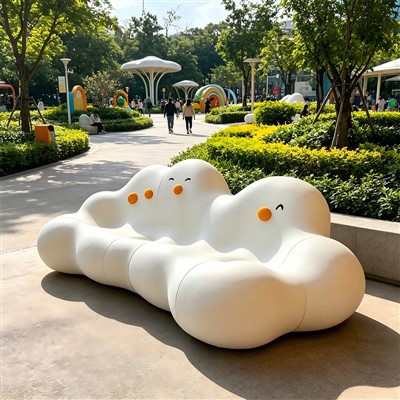
Modern furniture is no longer just about function. Today, homeowners, architects, designers, hotels, restaurants, and commercial developers all look for furniture that combines durability, aesthetics, flexibility, and long-term value. This is one of the main reasons why fiberglass furniture has become increasingly popular in both residential and commercial spaces.
From sculptural lounge chairs in luxury hotels to outdoor benches in public landscapes and custom reception desks in office buildings, fiberglass furniture is now widely used in modern architecture and interior design.
But what exactly is fiberglass furniture? Why are designers and commercial buyers choosing it over traditional wood or metal furniture? And what should buyers know before investing in fiberglass products?
This comprehensive guide explains everything you need to know about fiberglass furniture, including its material composition, manufacturing process, key features, advantages, applications, and purchasing considerations.
Understanding Fiberglass Furniture
What Does "Fiberglass Furniture" Mean?
Many people mistakenly believe fiberglass furniture is made from ordinary glass. In reality, fiberglass is a reinforced composite material known for its lightweight structure, high strength, and exceptional design flexibility.
Fiberglass furniture is commonly referred to as:
- Fiberglass Furniture
- FRP Furniture (Fiber Reinforced Plastic Furniture)
The material is created using reinforced glass fibers combined into a strong composite structure. This combination creates furniture that is:
- Lightweight
- Durable
- Weather-resistant
- Easy to shape
- Suitable for modern custom designs
Because of these properties, fiberglass is widely used in industries far beyond furniture manufacturing, including:
- Aerospace
- Marine engineering
- Automotive production
- Architecture
- Industrial design
Over time, designers realized that the same material could also create highly durable and artistic furniture.

Why Fiberglass Became Popular in Furniture Design
Modern commercial and residential spaces increasingly prioritize:
- Visual identity
- Unique architectural aesthetics
- Long-term durability
- Outdoor performance
- Lower maintenance costs
Traditional furniture materials often have limitations:
- Wood may crack, warp, or absorb moisture
- Metal can rust or become extremely hot outdoors
- Plastic lacks a premium appearance and structural strength
Fiberglass offers a balance between artistic freedom and industrial-level durability, making it highly attractive for modern projects.
Today, fiberglass furniture is commonly used in:
- Hotels
- Restaurants
- Shopping malls
- Office buildings
- Rooftop lounges
- Public landscapes
- Luxury villas

What Material Is Fiberglass Furniture Made Of?
Understanding Glass Fiber
Glass fiber is made from extremely fine strands of reinforced glass. Although the word "glass" often suggests fragility, fiberglass behaves very differently from ordinary glass panels or bottles.
Instead of being brittle, glass fiber is:
- Flexible
- Lightweight
- Extremely strong
- Resistant to deformation
A simple way to understand fiberglass is to compare it to reinforced concrete:
- Concrete provides mass
- Steel bars provide strength
In fiberglass furniture, glass fibers act like an internal reinforcement system that strengthens the structure while keeping it lightweight.
Because of its strength-to-weight ratio, fiberglass is widely used in:
- Aircraft structures
- Boats and yachts
- Automotive body panels
- Architectural facades
- Commercial furniture systems
Why Fiberglass Furniture Is Strong Yet Lightweight
One of the most important advantages of fiberglass furniture is its combination of strength and low weight.
Unlike stone or concrete furniture, fiberglass can create large structures without excessive heaviness. At the same time, it maintains excellent structural stability.
This creates several practical advantages:
- Easier transportation
- Lower shipping costs
- Easier installation
- More flexible space arrangements
- Reduced labor during commercial projects
For example, a large fiberglass bench in a hotel lobby may appear massive and sculptural, yet still be significantly lighter than stone or metal alternatives.
How Fiberglass Furniture Is Manufactured
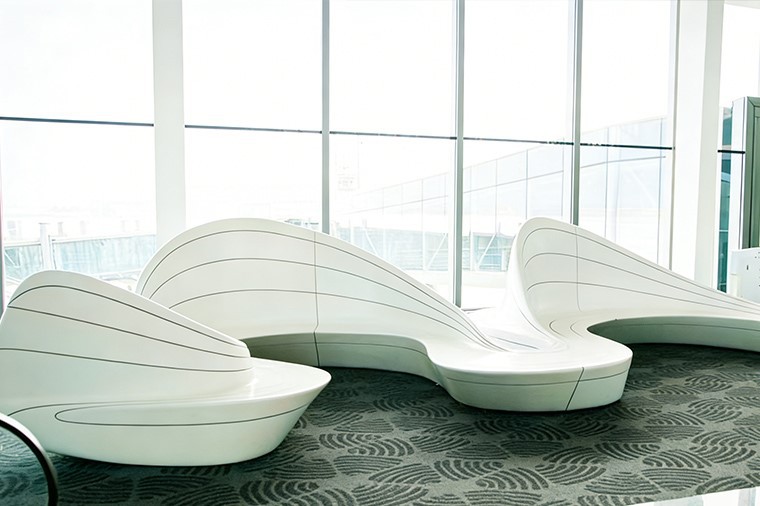
Fiberglass furniture is not carved like wood or welded like metal. Instead, it is produced using molding and layered reinforcement techniques.
The manufacturing process typically includes:
- Mold development
- Structural layering
- Surface shaping
- Sanding and polishing
- Surface finishing and painting
This production method allows fiberglass to achieve shapes that are difficult or impossible with traditional materials.
Designers can create:
- Curved surfaces
- Organic forms
- Seamless structures
- Parametric designs
- Sculptural furniture
- Oversized integrated pieces
This is one of the biggest reasons fiberglass is widely used in contemporary architecture and commercial interiors.
Key Features of Fiberglass Furniture
Exceptional Design Flexibility
Fiberglass is one of the most versatile materials in furniture manufacturing.
Unlike wood or metal, fiberglass can easily form:
- Smooth curves
- Wave-like structures
- Rounded corners
- Complex geometric forms
- Continuous seamless surfaces
This allows architects and designers to create furniture that becomes part of the architectural experience itself.
Fiberglass is especially popular in:
- Luxury hotels
- Art galleries
- Designer retail stores
- Corporate headquarters
- Exhibition spaces
Case Study: Sculptural Office Reception Desk
A technology company wanted a futuristic reception area that reflected innovation and creativity.
Traditional woodworking could not achieve the flowing, continuous shape required by the design concept. Metal fabrication would have been extremely expensive and visually too industrial.
Fiberglass allowed the manufacturer to create:
- A seamless wave-shaped structure
- Integrated lighting
- Hidden wiring systems
- A glossy monolithic appearance
The reception desk became the centerpiece of the office space and significantly strengthened the company's brand image.
Lightweight Structure With Excellent Stability
Fiberglass furniture is substantially lighter than:
- Stone furniture
- Concrete furniture
- Solid metal furniture
Yet it still maintains excellent durability and structural integrity.
This is particularly valuable for:
- Commercial projects
- Outdoor installations
- Rooftop spaces
- Modular furniture systems
- Flexible interior layouts
Material Weight Comparison
| Material | Weight | Installation Difficulty |
|---|---|---|
| Stone | Very heavy | High |
| Concrete | Extremely heavy | Very high |
| Metal | Heavy | Medium |
| Wood | Medium | Medium |
| Fiberglass | Lightweight | Low |
Because fiberglass is easier to move and install, many hotels and restaurants prefer it for projects requiring flexible layouts.
Excellent Weather Resistance
Outdoor furniture must withstand:
- Rain
- Sunlight
- Humidity
- Temperature fluctuations
- Coastal air exposure
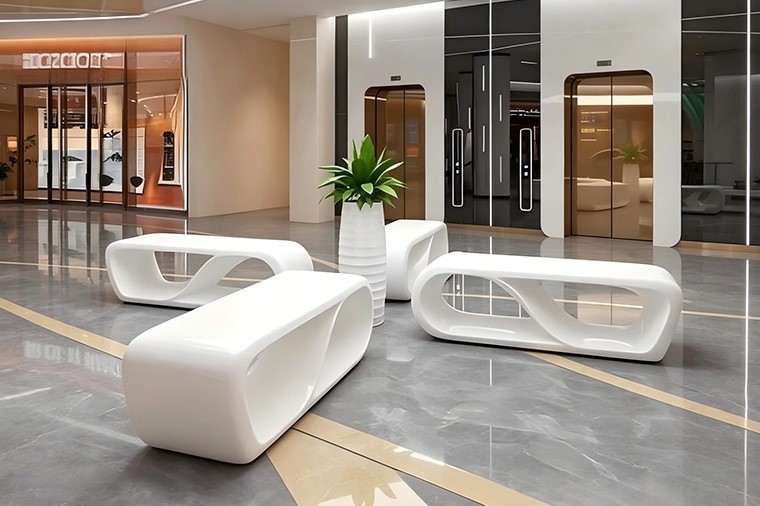
Fiberglass performs exceptionally well in these environments because it:
- Does not absorb water
- Resists corrosion
- Handles UV exposure well
- Maintains structural stability
This makes fiberglass ideal for:
- Poolside furniture
- Rooftop terraces
- Outdoor restaurants
- Garden landscapes
- Beachfront resorts
Real-World Example: Coastal Hotel Furniture
A coastal resort originally used wooden lounge furniture around its outdoor pool area.
Within several years, the furniture experienced:
- Surface cracking
- Swelling from humidity
- Mold growth
- Color fading
After replacing the furniture with fiberglass alternatives, the hotel significantly reduced maintenance requirements and extended furniture lifespan.
Unlike wood, fiberglass did not absorb moisture or deteriorate under coastal conditions.
Low Maintenance and Easy Cleaning
Commercial spaces prioritize materials that reduce operational maintenance costs.
Fiberglass furniture typically features:
- Smooth surfaces
- Non-porous finishes
- Stain resistance
- Easy cleaning
Daily maintenance usually requires only:
- A soft cloth
- Water
- Mild cleaning solution
This makes fiberglass highly suitable for:
- Restaurants
- Hotels
- Shopping centers
- Public spaces
- Outdoor hospitality areas
Maintenance Comparison Table
| Material | Cleaning Difficulty | Long-Term Maintenance |
|---|---|---|
| Wood | Medium to high | Requires refinishing |
| Metal | Medium | Requires rust prevention |
| Fiberglass | Low | Minimal routine cleaning |
Because fiberglass requires less ongoing maintenance, many commercial operators see it as a long-term cost-saving solution.
Advantages of Fiberglass Furniture Compared With Traditional Materials
Fiberglass vs Wood Furniture
Wood furniture offers natural warmth and texture, but it also has several limitations in modern commercial environments.
| Comparison | Fiberglass Furniture | Wood Furniture |
|---|---|---|
| Water resistance | Excellent | Poor |
| Outdoor durability | High | Moderate to low |
| Shape flexibility | Very high | Limited |
| Maintenance | Low | High |
| Lifespan | Long | Environment-dependent |
Wood remains popular for traditional interiors, but fiberglass is often better suited for:
- Contemporary spaces
- Outdoor environments
- Large-scale commercial projects
- Sculptural furniture applications
Fiberglass vs Metal Furniture
| Comparison | Fiberglass | Metal |
|---|---|---|
| Weight | Lightweight | Heavy |
| Corrosion resistance | Excellent | Can rust |
| Heat conductivity | Low | High |
| Design flexibility | High | Moderate |
| Outdoor comfort | Better | Surface may overheat |
In outdoor environments, metal furniture often becomes extremely hot under direct sunlight, while fiberglass remains more comfortable for users.
Hotels and Hospitality Spaces
Hotels increasingly use fiberglass furniture because it combines:
- Luxury aesthetics
- Long-term durability
- Sculptural design
- Easy maintenance
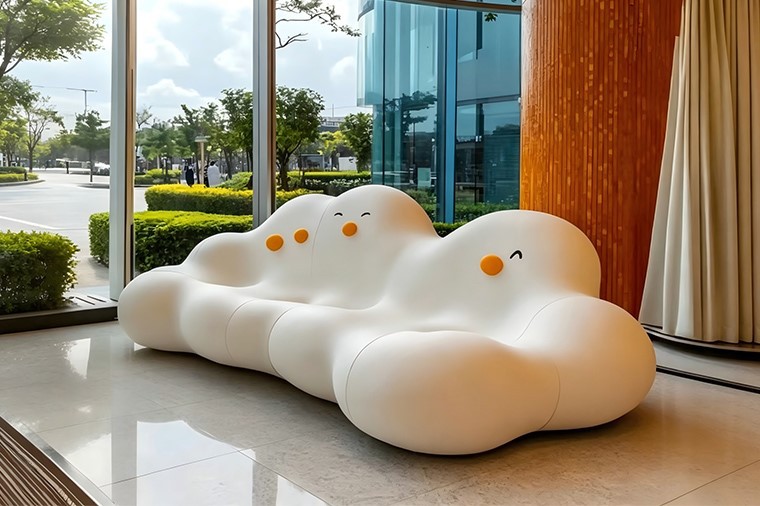
Common hotel applications include:
- Reception desks
- Lounge seating
- Decorative planters
- Poolside furniture
- Outdoor sofas
Restaurants and Cafés
Restaurants require furniture that is:
- Easy to clean
- Resistant to spills
- Suitable for outdoor use
- Visually attractive
Fiberglass is widely used for:
- Outdoor dining tables
- Integrated seating systems
- Planter benches
- Decorative partitions
Its modern appearance also helps create social-media-friendly dining environments.
Office Spaces
Modern offices increasingly prioritize:
- Brand identity
- Creative environments
- Employee comfort
- Flexible layouts
Fiberglass furniture is commonly used for:
- Reception counters
- Lounge seating
- Breakout areas
- Acoustic wall elements
- Collaborative furniture systems
Its customization flexibility makes it ideal for modern corporate interiors.
What to Consider Before Buying Fiberglass Furniture
Product Quality Varies Significantly
Not all fiberglass furniture is manufactured to the same standards.
Low-quality fiberglass products may develop:
- Surface bubbles
- Cracks
- Fading
- Structural weakness
- Uneven finishes
Buyers should avoid focusing only on low prices.
Evaluate Structure and Craftsmanship
Before purchasing fiberglass furniture, buyers should check:
- Surface smoothness
- Structural thickness
- Reinforcement quality
- Finish consistency
- Joint and edge details
Commercial projects especially require higher structural standards.
Choose Experienced Manufacturers
Professional fiberglass manufacturers typically provide:
- Custom design support
- Mold development
- Large-scale project experience
- Stable production quality
- International shipping solutions
Experienced suppliers are especially important for:
- Hotels
- Commercial developments
- Public projects
- Large outdoor installations
Future Trends of Fiberglass Furniture
Growing Demand for Artistic Commercial Spaces
Modern architecture increasingly emphasizes:
- Experiential design
- Sculptural forms
- Visual identity
- Custom environments
Fiberglass is perfectly suited for these trends because it allows highly customized and artistic furniture solutions.
Expansion of Outdoor Commercial Spaces
The growth of:
- Rooftop restaurants
- Outdoor cafés
- Resort hotels
- Landscape commercial projects
has significantly increased demand for durable outdoor furniture materials.
Fiberglass is becoming one of the preferred solutions because of its weather resistance and design flexibility.
Conclusion
Fiberglass furniture is far more than a modern design trend. It is a high-performance furniture solution that combines:
Strength
- Lightweight construction
- Design flexibility
- Weather resistance
- Low maintenance
- Long-term durability
Whether used in hotels, restaurants, offices, outdoor landscapes, or luxury homes, fiberglass furniture offers advantages that traditional materials often cannot match.
For buyers, architects, and commercial developers, choosing high-quality fiberglass furniture can improve not only the appearance of a space, but also its long-term operational efficiency and durability.
Feel free to share your concept, and our team will help evaluate feasibility, materials, and cost options based on your project needs.