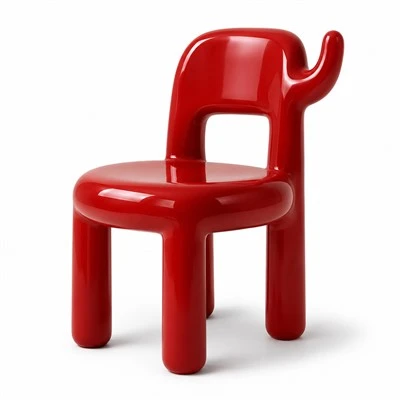
Introduction: Why Public Sculptures Matter in Modern Cities
Public art has long been an important element of urban design. In modern cities, sculptures are no longer simply decorative objects placed in plazas or parks. They are increasingly used to define city identity, enhance public spaces, and create memorable landmarks.
From large commercial districts and cultural parks to waterfront promenades and transportation hubs, urban sculptures help create emotional connections between people and the built environment.
Among the many materials used in public art today, fiberglass has emerged as one of the most versatile and practical options for large-scale urban sculptures. Its unique combination of durability, design flexibility, and cost efficiency makes it particularly suitable for outdoor installations.
What Are Fiberglass Urban Sculptures?
Fiberglass urban sculptures are public art installations made from fiberglass reinforced plastic (FRP), a composite material consisting of glass fibers embedded in resin.
This material is widely used in architecture, industrial design, and art fabrication because it offers several important advantages:
- High strength with relatively low weight
- Excellent resistance to weather and corrosion
- Flexibility for complex artistic forms
- Smooth surfaces suitable for detailed finishing
These characteristics allow artists and fabricators to create sculptures ranging from large abstract landmarks to playful figurative installations in urban environments.
Why Fiberglass Is Ideal for Large Outdoor Sculptures
Design Freedom for Artists
One of the greatest advantages of fiberglass is its ability to be molded into almost any shape.
Artists and designers are not limited by the structural constraints of traditional materials such as stone or metal. Fiberglass allows for:
- fluid curves and organic shapes
- oversized installations
- complex geometric structures
- highly detailed surface textures
This design freedom makes fiberglass especially popular for contemporary public art projects.
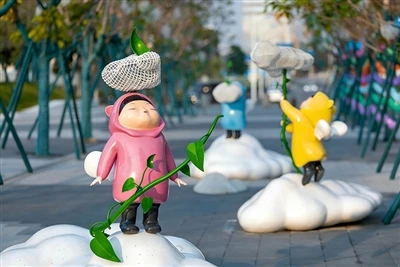

Durability in Outdoor Environments
Urban sculptures must endure constant exposure to environmental conditions such as sunlight, rain, wind, and temperature changes.
Fiberglass performs extremely well under these conditions. High-quality fiberglass sculptures typically feature multi-layer coatings and UV-resistant finishes, which protect the artwork from fading and surface degradation.
Unlike metal sculptures, fiberglass does not rust, and unlike stone, it is less likely to crack due to weather fluctuations.
Lightweight Structure for Large Installations
Large urban sculptures often present significant engineering challenges. Heavy materials like stone or solid metal require substantial foundations and complex transportation.
Fiberglass provides a practical alternative because it is much lighter while still maintaining structural strength.
This lightweight property allows:
- easier transportation and installation
- reduced structural load on foundations
- more efficient project timelines
For large-scale city projects, these advantages can significantly reduce construction complexity.
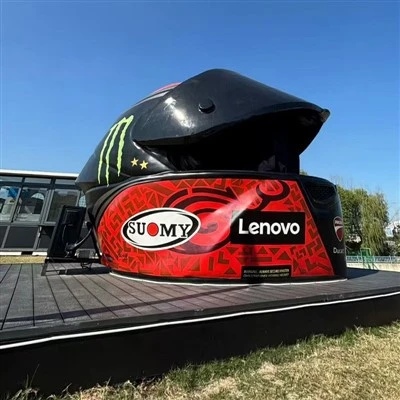

Cost Efficiency for Public Art Projects
Budget considerations are an important factor in public art commissions.
Compared with bronze casting or stone carving, fiberglass fabrication is often more cost-effective, especially for large sculptures.
The use of molds and layered fabrication techniques allows artists and manufacturers to achieve complex forms without the extremely high production costs associated with traditional sculptural materials.
Common Applications of Fiberglass Urban Sculptures
Fiberglass sculptures are now widely used in a variety of urban settings.
City Landmarks and Public Squares
Many cities install large sculptures in central plazas or roundabouts to create visual landmarks that represent local culture or identity.
Commercial Complexes and Shopping Districts
Retail developments frequently incorporate sculptural installations to create iconic photo spots and memorable public spaces.
These artworks often become social media attractions that increase visitor engagement.
Cultural Parks and Waterfront Landscapes
Landscape architects often use fiberglass sculptures to enhance parks, promenades, and waterfront environments.
Their weather resistance and flexible design make them ideal for large outdoor landscape installations.
Theme Parks and Entertainment Spaces
Fiberglass is also widely used for figurative sculptures, cartoon characters, and interactive art pieces in entertainment environments.
How Fiberglass Urban Sculptures Are Made
Creating a fiberglass sculpture typically involves several stages that combine artistic design with industrial fabrication techniques.
The process usually includes:
- Concept development and design consultation
- 3D modeling or sculptural prototype creation
- Mold fabrication
- Fiberglass layering and reinforcement
- Internal steel structure installation
- Surface finishing and painting
- Structural inspection and quality control
- Packaging and transportation
This process allows artists and manufacturers to translate creative concepts into durable, large-scale public artworks.
The Growing Role of Fiberglass in Contemporary Public Art

As cities continue to invest in public spaces and cultural identity, urban sculptures are becoming increasingly important elements of landscape design.
Fiberglass provides a material solution that supports both artistic creativity and practical durability, making it particularly suitable for modern public environments.
With its ability to combine sculptural freedom, structural performance, and efficient production, fiberglass is likely to remain a key material in the future of urban public art and large-scale outdoor sculptures.
Conclusion
Fiberglass urban sculptures are transforming the way cities incorporate art into public environments.
Their durability, lightweight structure, and design flexibility make them ideal for large outdoor installations in plazas, parks, commercial districts, and cultural landmarks.
For designers, architects, and city planners seeking visually impactful yet practical public art solutions, fiberglass sculptures offer a powerful combination of creativity, resilience, and efficiency.