Have you ever struggled to find the perfect chair that blends stunning design, functional performance, and long‑term durability? Traditional materials like wood or metal often fall short when projects require sleek curves, bold forms, or outdoor resilience. Enter custom fiberglass chairs - a solution that delivers true design freedom while outperforming conventional seating options in many real‑world scenarios.
This guide will help designers, project buyers, and furniture enthusiasts understand why custom fiberglass (FRP) chairs stand out, how they perform in demanding environments, and what practical benefits they bring to your space.
What Is a Custom Fiberglass Chair?
Custom fiberglass chairs are furniture pieces made from fiber‑reinforced plastic (FRP) - a composite material combining glass fibers with resin. The result is a lightweight yet remarkably strong structure that can be molded into virtually any shape, curve, or style you can imagine.
Unlike traditional chairs carved from wood, welded from metal, or injection‑molded from basic plastic, FRP chairs are fabricated using molds that allow for intricate, seamless designs with excellent structural integrity. This moldability is the core reason designers and architects turn to fiberglass when they want more than what classic materials can deliver.
Why Fiberglass Provides Unmatched Design Flexibility
Unlimited Shapes and Forms
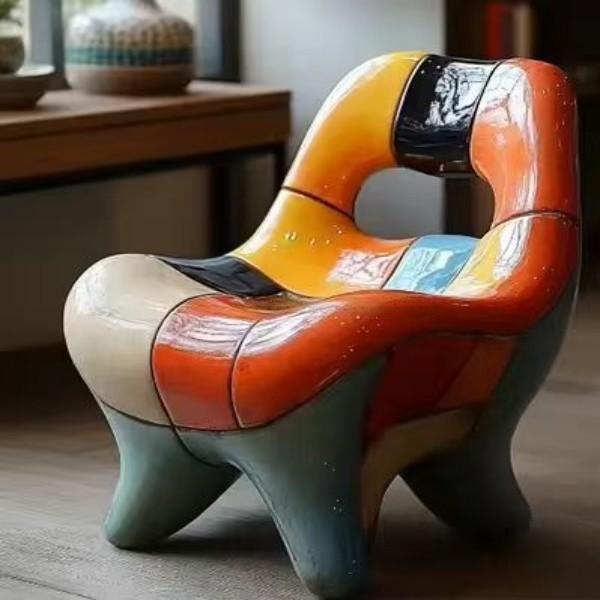
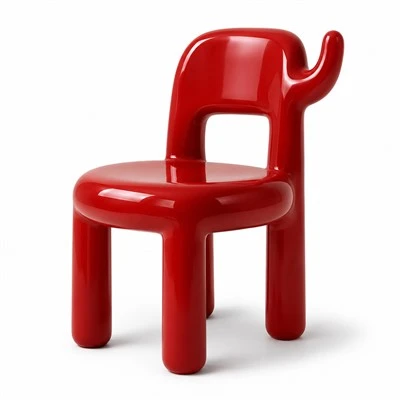
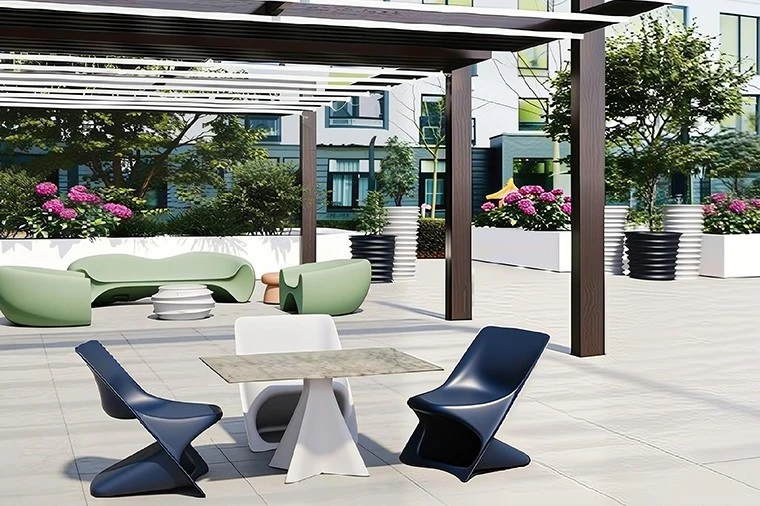
One of the biggest advantages of FRP is its ability to be molded into complex, sculptural forms. Whether you want soft organic curves for a lounge area, sharp avant‑garde silhouettes for a modern cafe, or ergonomic seats for a corporate lobby - fiberglass can make it happen.
Traditional wood requires extensive carving or joining, and metal bending is limited by tooling and strength concerns. With fiberglass, smooth, seamless shapes are created during the molding process itself, allowing designers to work without typical material constraints.
Integrated Functional Features
Custom FRP chairs can include built‑in elements that traditional chairs can't easily accommodate, such as:
Integrated armrests or headrests sculpted into the chair body
Storage niches beneath seats
Embedded branding or surface details
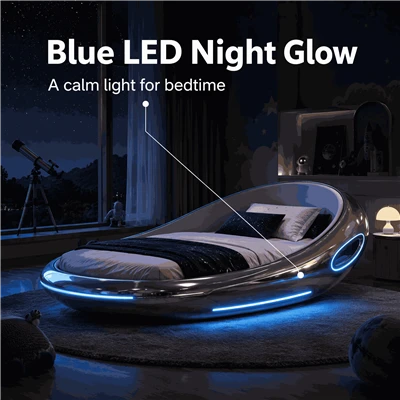
Integrated lighting or accessory mounts
These features are formed directly in the mold, resulting in a cleaner aesthetic and more robust overall structure compared to add‑on attachments.
Exterior AND Interior Applicability
Fiberglass isn't just for outdoor seating. Its moldability makes it equally suitable for indoor design themes, from contemporary minimalism to expressive artistic installations. This versatility means one material can fulfill multiple roles in the same project - from lobby seating to cafe tables to feature chairs - creating coherent design language throughout a space.
Material Performance: Why Fiberglass Outlasts Traditional Options
Exceptional Weather Resistance
Fiberglass chairs are inherently resistant to rain, humidity, UV radiation, and temperature changes. This makes them ideal for both outdoor and indoor environments - a major advantage over wood (which absorbs moisture and warps) and metal (which can rust or corrode).
Many fiberglass chairs are manufactured with UV‑resistant pigments or coatings that help maintain their color and finish even under prolonged sunlight exposure, preventing fading or surface degradation.
Low Maintenance and Long Lifespan
In contrast to wood that needs sanding, sealing, or staining, and metal that requires repainting or anti‑rust treatments, fiberglass chairs demand minimal care. Periodic cleaning with mild soap and water is usually enough to keep them looking new.
Industry usage patterns show that quality fiberglass furniture can last 10+ years with little maintenance, making it a cost‑effective choice for commercial and residential applications alike.
Lightweight with High Strength
Despite its robustness, fiberglass is significantly lighter than steel or solid wood, often up to 70% lighter than comparable metal structures. This makes installation easier, lowers transportation costs, and simplifies reconfiguration in spaces where flexibility matters - like event venues or multipurpose lounges.
Comparing Fiberglass Chairs to Traditional Seating
|
Feature |
Custom Fiberglass Chairs |
Wood Chairs |
Metal Chairs |
Standard Plastic Chairs |
|
Design Flexibility |
⭐⭐⭐⭐⭐ (highly moldable) |
⭐⭐ (limited shapes) |
⭐⭐ (restricted curves) |
⭐⭐⭐ (simple forms) |
|
Weather Resistance |
⭐⭐⭐⭐⭐ (excellent) |
⭐⭐ (prone to warp/rot) |
⭐⭐⭐ (rust risk) |
⭐⭐ (UV degradation) |
|
Maintenance Required |
⭐⭐⭐⭐ (low) |
⭐⭐ (high) |
⭐⭐ (medium) |
⭐⭐⭐ (medium) |
|
Weight |
⭐⭐⭐⭐ (light) |
⭐⭐ (medium) |
⭐⭐ (heavy) |
⭐⭐⭐⭐ (light) |
|
Longevity |
⭐⭐⭐⭐ (10+ years) |
⭐⭐ (5–7 years outdoor) |
⭐⭐⭐ (7–10 years outdoor) |
⭐⭐ (2–4 years outdoor) |
This comparative view shows how fiberglass stands out when design freedom, weather resistance, and long-term value are priorities - especially for outdoor, commercial, or high-traffic environments.
Real‑World Applications of Custom Fiberglass Chairs
Commercial Recreation Areas
In public plazas, theme parks, and resort lounges, custom fiberglass chairs plug directly into theme or brand aesthetics without compromising durability. Their resistance to moisture and sunlight means furniture stays attractive and functional year‑round, even with heavy use.
Outdoor Hospitality
Restaurants and cafes with patio seating benefit from fiberglass's low‑maintenance surface that doesn't absorb spills or stains. Integrated colors mean you won't need frequent repainting, and UV stability keeps finishes vibrant through every season.

Residential and Garden Use
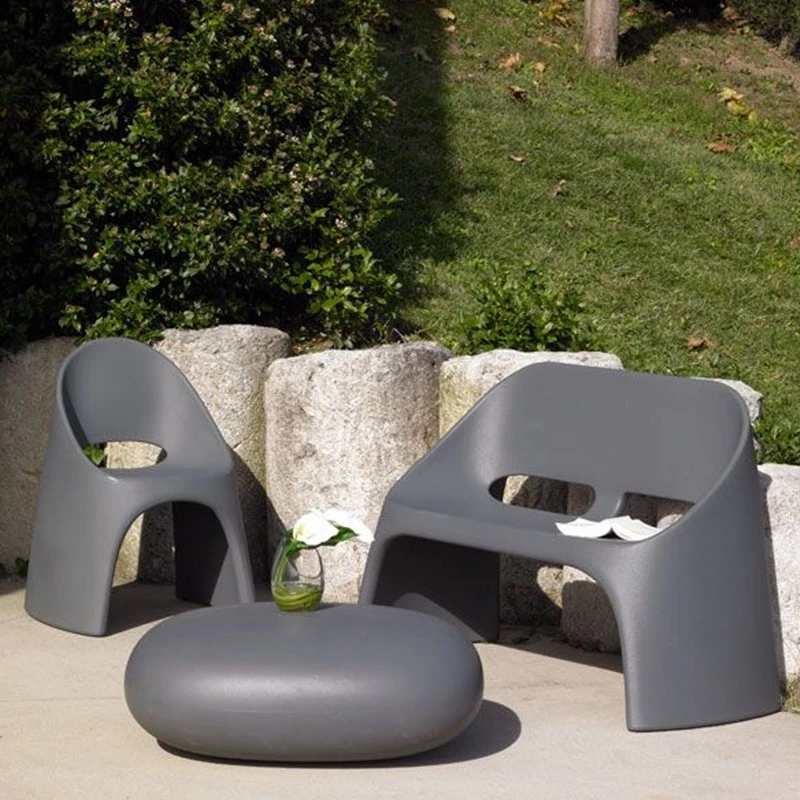
For homeowners, custom fiberglass seating elevates garden or deck spaces with designer forms and weatherproof performance. Whether you want a sculptural lounge chair by the pool or minimalist stools for a terrace, fiberglass adapts to both style and environment.
Practical Buying Tips and What to Look For
When selecting custom fiberglass chairs for your project:
Check the Resin and UV Protection
Ensure the manufacturer uses UV‑stabilized resins or gel coats designed for outdoor use. This significantly improves color longevity and surface performance.
Review Mold Quality
High‑quality molds produce smoother, more consistent surfaces and stronger structural parts. Look for chairs with even wall thickness and minimal seams to avoid weak spots.
Ask About Load Capacity
Commercial environments require chairs that can handle frequent and varied use. Verify load ratings and structural support details before ordering bulk quantities.
Consider Ergonomics
Even though fiberglass can take any shape, ergonomic design matters. Choose chairs with proper seat angles, back support, and dimensions that suit your audience - be it office guests or dining patrons.
Final Thoughts: Why Designers and Buyers Are Choosing Fiberglass
Custom fiberglass chairs offer a unique blend of aesthetic freedom, durability, and practical performance that traditional materials struggle to match. From weather‑resistant outdoor installations to sleek interior projects, fiberglass expands your design possibilities without sacrificing long‑term value.
If you're planning a space that demands bespoke style and longevity, custom fiberglass seating is a decision that delivers - not just in looks, but in real, measurable performance.