Introduction
In contemporary interior and landscape design, furniture is no longer limited to functional use. Increasingly, designers and developers are selecting pieces that contribute to the overall visual identity of a space.
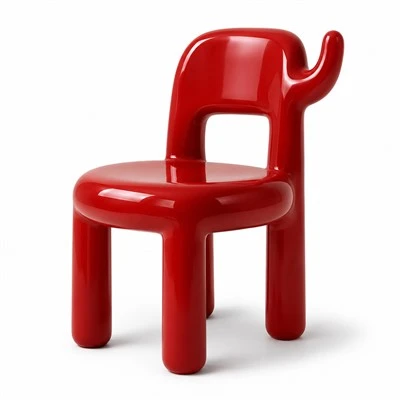
Fiberglass (FRP) coffee tables and side tables have become a popular choice in commercial projects due to their design flexibility, durability, and sculptural quality. Unlike traditional materials, fiberglass allows for seamless forms, bold shapes, and customized finishes, making it suitable for a wide range of environments.
From hospitality and retail to public spaces and creative offices, these tables play an important role in shaping spatial experience.
Lounge Areas and Commercial Reception Spaces
In lounge and reception areas, furniture must balance comfort, durability, and visual appeal. Fiberglass coffee tables and side tables are often used as central elements within seating arrangements, helping to define the layout while enhancing the overall atmosphere.
Their smooth surfaces and sculptural forms make them particularly suitable for high-end environments where first impressions matter. Designers frequently use these tables to create focal points in hotel lobbies, executive lounges, and commercial waiting areas.
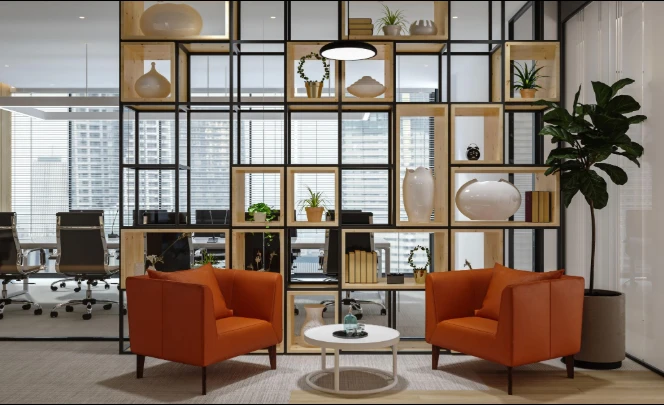
Typical applications include:
- Hotel lobbies and lounges
- Office reception and waiting areas
- VIP lounges and hospitality spaces
Cafés, Restaurants, and Social Spaces
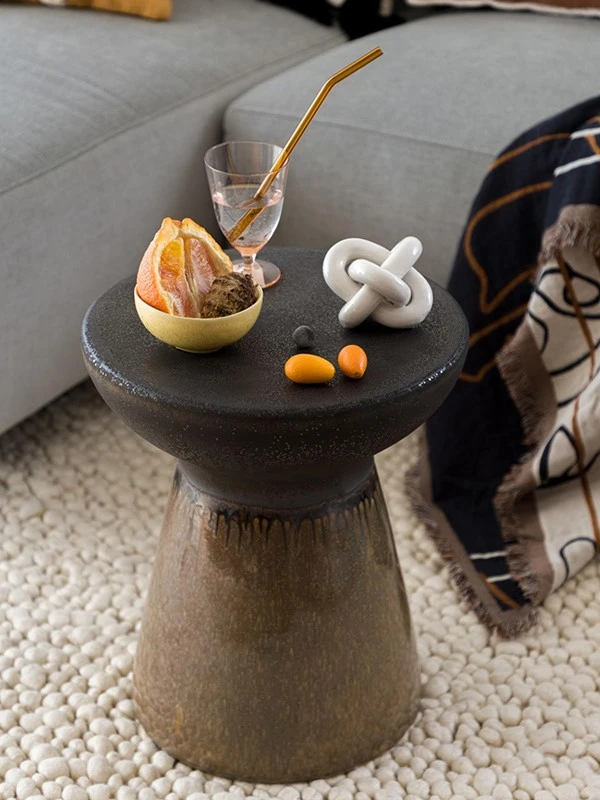
In the food and beverage industry, interior design plays a key role in shaping customer experience. Fiberglass tables are widely used in cafés and restaurants where distinctive design helps attract attention and encourage social engagement.
With the ability to incorporate bold colors, playful shapes, and custom finishes, these tables can reinforce brand identity and create visually memorable spaces. Their lightweight yet durable structure also makes them practical for high-traffic environments.
Typical applications include:
- Boutique cafés and themed restaurants
- Dessert shops and lifestyle dining spaces
- Social media–driven "instagrammable" interiors
Retail Stores and Display Environments
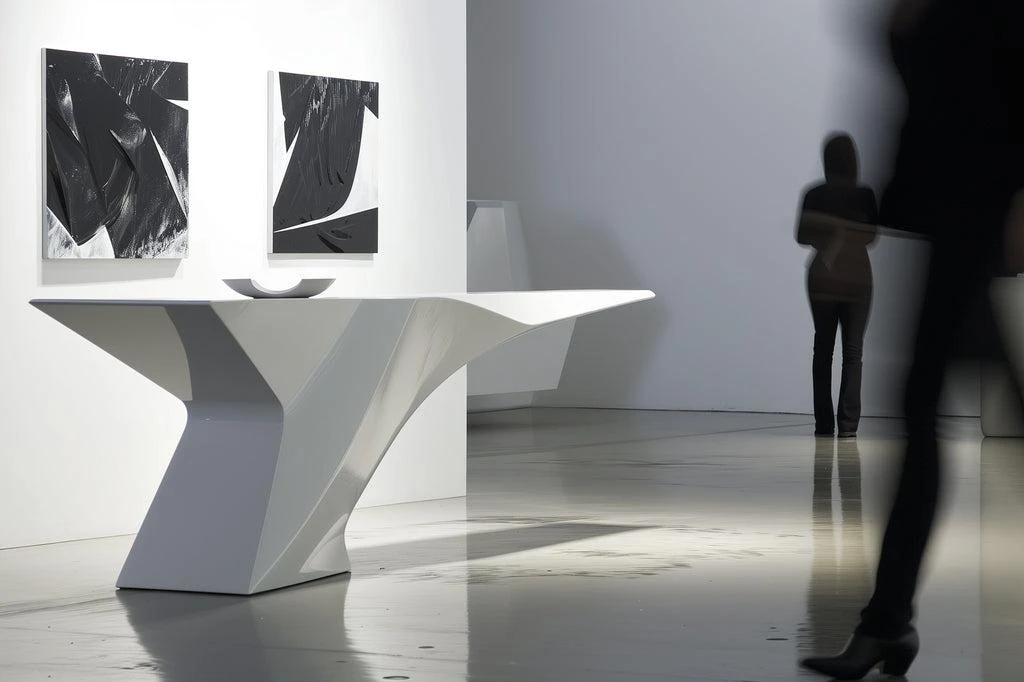
In retail settings, furniture often functions as part of the visual merchandising strategy. Fiberglass side tables and coffee tables can be used as display platforms, helping to highlight products while guiding customer movement through the space.
Their sculptural appearance allows them to stand out without overpowering the merchandise, making them ideal for concept stores, showrooms, and curated retail environments.
Typical applications include:
- Concept stores and boutiques
- Product display areas
- Exhibition booths and pop-up stores
Outdoor and Semi-Outdoor Environments
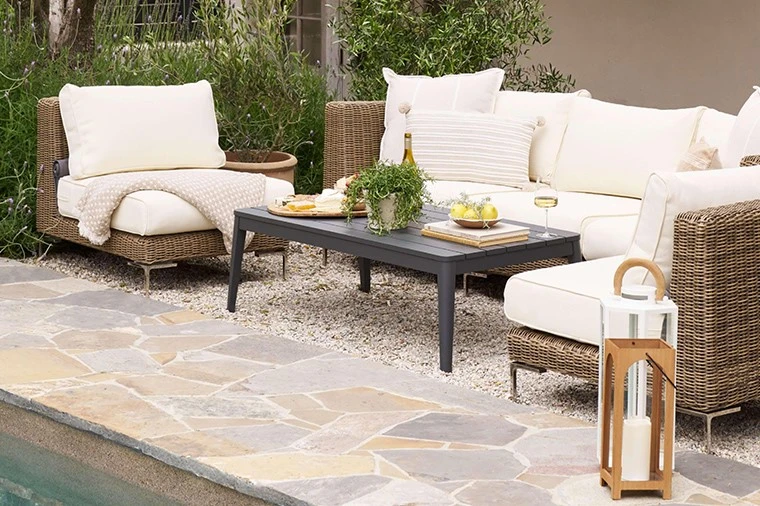
Fiberglass is well known for its weather resistance and structural stability, making it suitable for outdoor and semi-outdoor use. Unlike wood or certain metals, it is less affected by moisture, sunlight, and temperature changes.
This makes fiberglass tables a practical solution for hospitality and public projects where durability and low maintenance are essential.
Typical applications include:
- Hotel terraces and outdoor lounges
- Resort poolside areas
- Rooftop bars and cafés
- Public plazas and open-air commercial spaces
Public Spaces and Cultural Projects
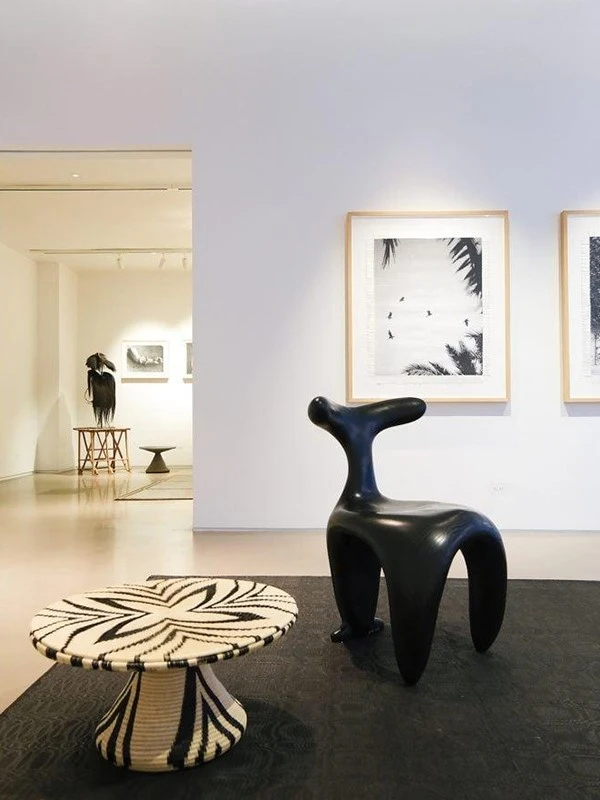
In public and cultural spaces, furniture is often expected to combine functionality with artistic expression. Fiberglass coffee tables and side tables can act as functional sculptures, contributing to the overall design narrative of the environment.
Their ability to take on complex forms makes them suitable for projects where standard furniture would not achieve the desired visual impact.
Typical applications include:
- Museums and galleries
- Cultural centers and exhibition halls
- Urban landscape projects and public installations
Creative Offices and Collaborative Workspaces
Modern workplaces are increasingly designed to encourage creativity and collaboration. Fiberglass tables, with their non-traditional forms, help break the rigidity of conventional office environments.
They are often used in breakout areas, informal meeting zones, and lounge spaces to create a more relaxed and inspiring atmosphere.
Typical applications include:
- Design studios and creative agencies
- Co-working spaces
- Innovation hubs and startup offices
Why Fiberglass Is Ideal for These Applications
Across all these scenarios, fiberglass offers several advantages that make it particularly suitable for commercial furniture:
- Design flexibility: Capable of producing complex, seamless shapes
- Durability: Suitable for high-traffic and demanding environments
- Lightweight structure: Easier handling and installation
- Custom finishes: Wide range of colors, textures, and surface effects
- Indoor & outdoor compatibility: Adaptable to various environments
These characteristics allow designers and project developers to achieve both functional performance and strong visual identity.
Conclusion
Fiberglass coffee tables and side tables are more than just supporting furniture pieces. In modern commercial and public spaces, they serve as design elements that shape atmosphere, enhance user experience, and reinforce brand identity.
Whether used in hospitality, retail, outdoor environments, or creative workplaces, these tables provide a versatile solution that combines durability with expressive design.