Introduction
What if a single material could replace stone, metal, wood-and still offer more design freedom at a lower cost?
In today's architectural and commercial projects, fiberglass (FRP) is no longer just a supporting material. It has evolved into a core solution for realizing complex designs, large-scale structures, and visually impactful environments.
From columns and entrance gates to wedding castles and theme park installations, fiberglass is redefining what is possible in modern construction.
The Real Advantage of Fiberglass: Not Just Material, but Capability
Fiberglass stands out not simply because of its physical properties, but because it changes how projects are executed.

Traditional materials often force compromises:
- Stone is heavy and difficult to transport
- Metal is prone to corrosion and requires maintenance
- Wood has limitations in durability and shape
Fiberglass eliminates these constraints by offering:
- Structural efficiency → lightweight yet strong, reducing load requirements
- Design flexibility → supports curves, parametric forms, and custom geometries
- Surface versatility → can replicate stone, metal, wood, or high-gloss finishes
- Production scalability → mold-based manufacturing ensures consistency in large projects
- Cost control → lower installation, labor, and long-term maintenance costs

This combination makes fiberglass particularly valuable in commercial engineering, public infrastructure, and themed environments.
From Concept to Reality: How Fiberglass is Used in Real Projects
Architectural Columns & Facade Systems
In large-scale commercial buildings, columns are not just structural-they define the visual rhythm of the space.
In a resort development project, designers initially planned to use carved stone columns for a grand lobby. However, the weight and transportation costs made it impractical. By switching to fiberglass, the project team was able to produce hollow yet structurally reinforced columns with a stone-like finish, reducing overall weight by more than half while maintaining the same visual impact.
Additionally, fiberglass allowed subtle curvature and detailing that would have been extremely costly with natural stone, giving the space a more refined architectural identity.

Wedding Venues & Castle Installations
In wedding cities and event venues, aesthetics and atmosphere are everything.

Instead of traditional masonry, many large decorative elements-such as castles, arches, and domes-are now fabricated using fiberglass. In one wedding venue project, a full-scale fairytale castle was constructed using FRP panels over a steel framework. This approach allowed the team to achieve intricate ornamentation, smooth pastel finishes, and seamless surfaces, all while keeping the structure lightweight and faster to assemble.
More importantly, fiberglass ensures these installations remain durable despite frequent use, transportation, and outdoor exposure-something that traditional plaster or wood structures struggle to achieve.
Milestones, Signage & Wayfinding Systems
Consistency and durability are critical in signage systems, especially across large parks or urban developments.
In a scenic area project, hundreds of directional signs and milestone markers were required to maintain a unified visual identity. Fiberglass was chosen because it allowed batch production using molds, ensuring every piece had identical dimensions and finish. Unlike metal signs that may rust or concrete markers that can crack, the fiberglass units remained stable under sun exposure, rain, and temperature fluctuations.
This not only improved longevity but also significantly reduced maintenance costs over time.

Entrance Gates & Landmark Features
The entrance of a project sets the tone-it is both functional and symbolic.
In a theme park development, the main entrance gate featured complex curves, layered forms, and integrated lighting elements. Constructing such a structure with concrete or steel alone would have been both expensive and technically challenging. By using fiberglass cladding over a steel structure, the project team achieved a visually striking, large-scale landmark with smooth, continuous surfaces.

Fiberglass also allowed precise customization of branding elements, making the entrance instantly recognizable while keeping fabrication timelines under control.
Reception Desks & Interior Feature Installations
In commercial interiors, fiberglass is increasingly used to create custom reception desks and sculptural installations.
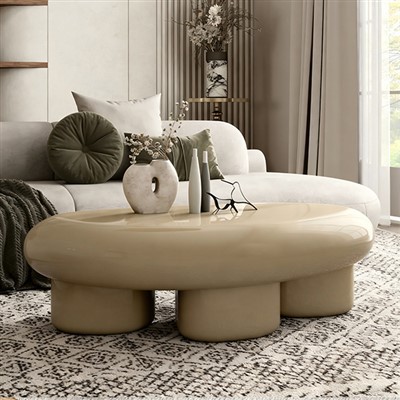
For example, in a high-end showroom project, a parametric reception desk with flowing, wave-like geometry was fabricated entirely in fiberglass. Traditional materials would have required complex joinery and significantly higher labor costs. With fiberglass molding, the structure was produced as a seamless form, finished with a high-gloss surface, and integrated with lighting.
This not only enhanced the visual impact of the space but also streamlined production and installation.

Outdoor Structures: Gazebos, Light Poles & Urban Furniture
Outdoor environments demand materials that can withstand harsh conditions.
In coastal projects, where humidity and salt exposure accelerate corrosion, fiberglass has become a preferred alternative. In one waterfront development, gazebos, decorative light poles, and integrated seating systems were all produced using fiberglass. Compared to metal structures, these elements required minimal maintenance and showed no signs of rust over time.
Additionally, fiberglass allowed the integration of organic, flowing designs that blended naturally with the landscape-something difficult to achieve with rigid materials.
Theme Parks & Immersive Environments
Perhaps the most expressive use of fiberglass can be seen in theme parks and public installations.
From giant sculptures to immersive environments, fiberglass enables designers to bring imagination into reality. In multiple theme park projects, entrance gates, character sculptures, and landscape features are fabricated using FRP due to its ability to handle complex shapes, vibrant colors, and large-scale production.
Because molds can be reused, fiberglass also ensures consistency across replicated elements, which is essential for maintaining a cohesive visual experience.

A Shift in Design Thinking
Across all these applications, fiberglass is not just replacing traditional materials-it is changing how projects are designed from the beginning.
Instead of asking:
- "Can this be built?"
Designers can now ask:
"What do we want to create?"
Fiberglass supports:
- Faster project timelines
- Greater design freedom
- More efficient cost structures
This makes it a strategic choice not only for architects and designers, but also for developers and contractors.
Conclusion: If You Can Imagine It, Fiberglass Can Build It
From monumental entrances to detailed decorative elements, fiberglass has proven itself as one of the most adaptable materials in modern engineering.
It bridges the gap between:
- Creativity and feasibility
- Aesthetics and durability
- Vision and execution
In today's competitive project landscape, where differentiation and efficiency are key, fiberglass is no longer optional-it is often the smartest solution available.
Simply put: there are almost no limits-only possibilities waiting to be built.