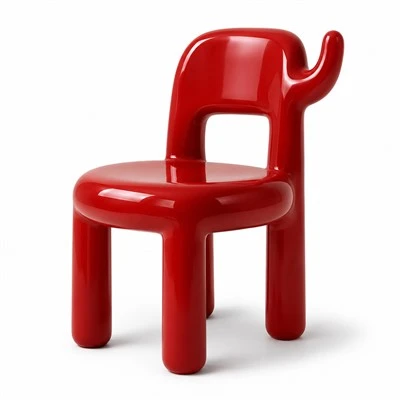
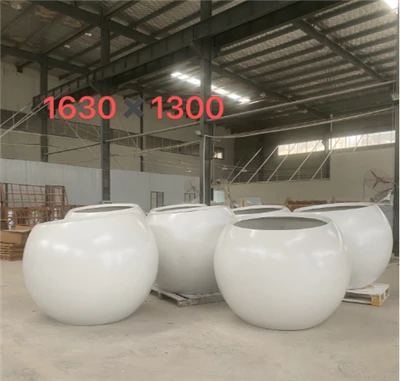
Introduction: Can fiberglass planters go beyond smooth curves and minimal shapes?
With the integration of 3D printing technologies, the answer is not only yes-but dramatically so. In today's architectural and commercial landscape, designers are no longer satisfied with purely functional planters. They are looking for materials that can deliver durability while also supporting expressive, high-impact design. Fiberglass, known for its strength and weather resistance, has long been a reliable option. However, when combined with 3D printing, it evolves into something far more versatile, especially in the creation of brown carved floor-standing planters that feature intricate detailing and sculptural presence.
From Standard Molds to Digital Freedom
Traditional fiberglass production relies heavily on molds, which are highly efficient but inherently restrictive. Once a mold is created, design variations become costly and time-consuming, particularly when intricate carvings or complex surface geometries are involved. This limitation has historically kept many fiberglass planters within the realm of smooth, minimalist forms.
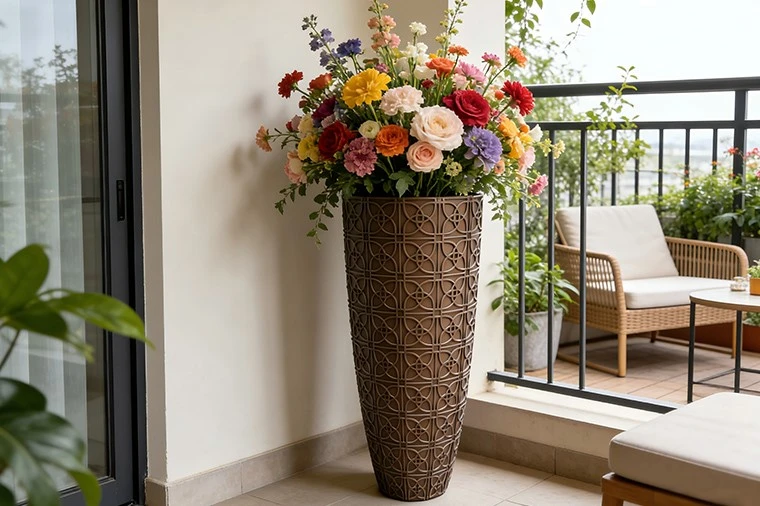
The Making of a Brown Carved Fiberglass Planter
The production of a brown carved fiberglass planter is a hybrid process that blends advanced digital techniques with traditional craftsmanship. It begins with digital modeling, where designers develop intricate carved patterns inspired by natural materials like wood or stone, or by cultural and architectural themes. These designs often incorporate depth, rhythm, and texture to create a strong visual identity.
Once the design is finalized, a high-resolution 3D printing process is used to produce either a master model or a detailed mold. This step is crucial, as it ensures that even the finest surface details are accurately preserved. The fiberglass manufacturing process then follows, where layers of glass fiber and resin are applied to form a durable structure that retains the complexity of the original design.

The final stage is surface finishing, which plays a key role in achieving the desired aesthetic. Through multi-layer coatings, hand-applied techniques, and specialized paint systems, the planter is given a rich brown tone that can mimic carved wood or aged metal. The end result is a piece that combines visual warmth and craftsmanship with the structural advantages of fiberglass.
Why Brown Carved Designs Are Trending
Brown carved fiberglass planters are gaining popularity because they strike a balance between natural aesthetics and contemporary design language. The use of brown tones evokes a sense of warmth and connection to natural materials, while the carved surfaces introduce depth and visual complexity. This combination allows the planters to stand out without appearing overly industrial or artificial.
In spatial design, especially in commercial environments, these planters serve more than a functional purpose. Their vertical, floor-standing form gives them a strong presence, making them suitable as focal points or as elements that help define and structure a space. As a result, they are increasingly used in environments where both atmosphere and visual identity are important, such as hospitality, retail, and public architecture.
Real-World Applications in Commercial Projects
In practical applications, the flexibility offered by 3D printing allows designers and developers to align planter designs closely with project themes. In resort settings, for example, brown carved fiberglass planters can replicate the look of traditional wooden artifacts while offering superior resistance to humidity and environmental wear. In retail and commercial centers, more contemporary carved patterns can be used to reinforce branding or architectural identity.
Public spaces also benefit from this approach, as large-scale planters can be designed to integrate seamlessly with other functional elements such as seating, lighting, or wayfinding features. Because the design originates digitally, each project can incorporate unique, site-specific elements without significantly increasing production complexity or lead time. This level of customization is particularly valuable in high-end or design-driven projects.
Advantages Over Traditional Materials
Compared to traditional materials like stone, metal, or solid wood, fiberglass enhanced with 3D printing offers a more balanced combination of performance and flexibility. Its lightweight nature simplifies transportation and installation, especially in large-scale projects where logistics can be a challenge. At the same time, it maintains excellent durability, with strong resistance to weather, UV exposure, and corrosion.
The ability to produce complex designs without the need for highly specialized tooling also improves cost efficiency, particularly for customized or medium-volume orders. In addition, the integration of digital design and manufacturing shortens the development cycle, allowing projects to move more quickly from concept to completion. This combination of advantages makes it a compelling choice for architects and commercial buyers working within tight timelines and high design expectations.
The Future: Where Craft Meets Technology

The combination of fiberglass and 3D printing represents a broader shift in the relationship between design and manufacturing. Instead of being constrained by production limitations, designers are now able to explore more ambitious ideas and bring them to life with greater accuracy. This transformation is not only changing the appearance of products but also redefining the way they are developed.
For manufacturers, this means greater adaptability and the ability to respond quickly to evolving market demands. For designers, it opens up new creative possibilities, enabling them to experiment with forms, textures, and concepts that were previously difficult to realize. As these technologies continue to develop, the integration between digital design and physical production will become even more seamless.
Conclusion
Fiberglass planters have moved far beyond their traditional role as simple containers. With the integration of 3D printing, they are becoming expressive architectural elements that contribute to the overall identity of a space. Brown carved floor-standing planters, in particular, demonstrate how traditional visual language can be reinterpreted through modern manufacturing techniques.
As the boundaries between design and production continue to blur, materials like fiberglass will play an increasingly important role in shaping commercial and architectural environments. What was once limited by molds is now driven by creativity, making it possible to achieve both aesthetic richness and practical performance in a single solution.
Start Creating More Engaging Spaces
It is not just furniture-they are a way to bring together form, function, and environment in a single element.
If your next project aims to combine visual impact, user comfort, and practical efficiency, this approach offers a compelling solution.
We work with architects, developers, and commercial buyers to deliver custom solutions tailored to project needs.
👉 Contact us to explore how this bench series can be integrated into your next development.