Introduction: Why Are Fiberglass Lounge Chairs Becoming Popular in Outdoor Design?
In modern outdoor commercial spaces-such as luxury hotels, resort pools, beachfront lounges, and rooftop terraces-furniture must achieve a delicate balance between design, durability, and long-term performance.
Traditional materials like wood, aluminum, and plastic often face limitations in harsh outdoor environments. Exposure to UV radiation, humidity, salt air, and temperature fluctuations can cause fading, corrosion, cracking, or structural instability over time.
As a result, more architects, landscape designers, and hospitality buyers are turning to fiberglass lounge chairs as a long-lasting and design-flexible alternative.
But what exactly makes fiberglass such a powerful material for outdoor loungers? And how do fiberglass lounge chairs compare to other materials commonly used in commercial outdoor furniture?
This guide explores everything you need to know before choosing fiberglass lounge chairs for your next project.
What Is a Fiberglass Lounge Chair?
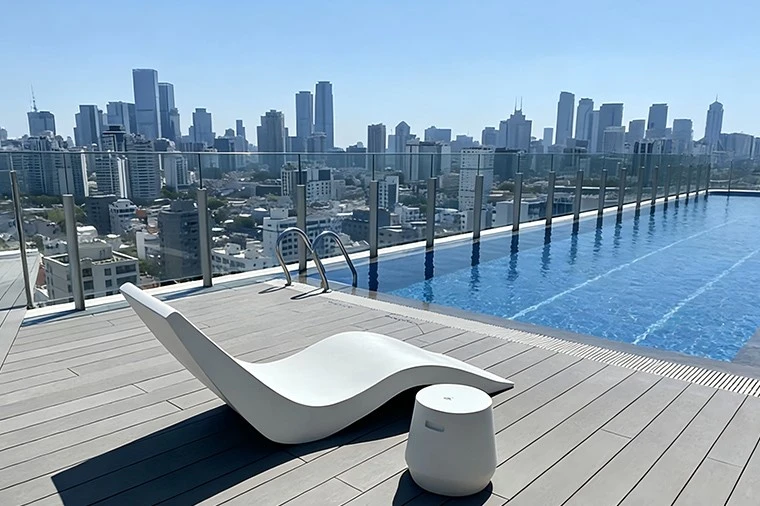
A fiberglass chaise chair is a reclining or chaise-style seating piece made from fiberglass reinforced plastic (FRP)-a composite material formed by combining glass fiber reinforcement with resin.
This structure creates a product that is:
- Lightweight yet extremely strong
- Weather and corrosion resistant
- Highly moldable for complex shapes
- Durable enough for high-traffic commercial environments
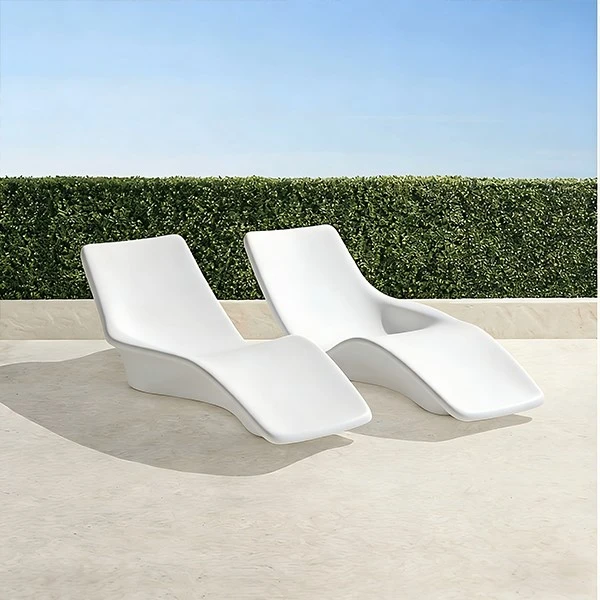
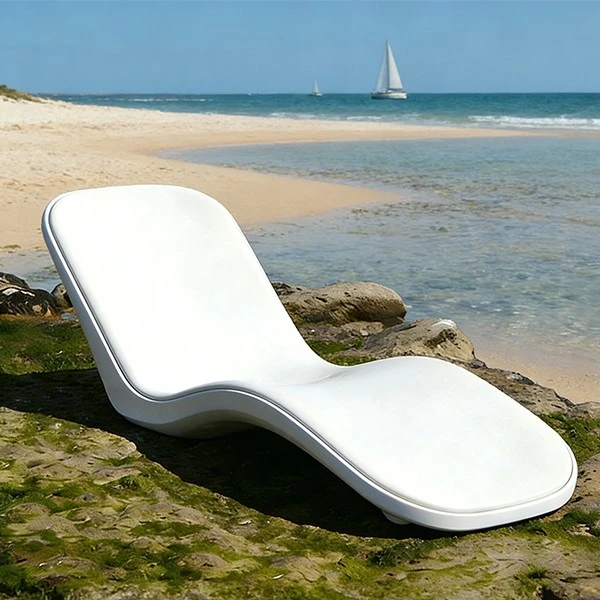
Unlike traditional outdoor loungers that rely on assembled components, fiberglass loungers are often molded into seamless forms, creating smooth silhouettes and contemporary aesthetics.
This manufacturing process allows designers to create lounge chairs with:
- sculptural curves
- ergonomic reclining angles
- integrated structures without visible joints
For modern hospitality design, this seamless structure has become a defining visual feature.
Why Fiberglass Is Ideal for Outdoor Lounge Chairs
Outdoor environments are demanding, especially for commercial furniture exposed to constant use and weather.
Fiberglass offers several performance advantages that make it particularly suitable for lounge chairs.
Exceptional Weather Resistance
Fiberglass is naturally resistant to rain, humidity, and temperature changes.
Unlike wood, it does not swell or crack when exposed to moisture.
High-quality fiberglass furniture also includes UV-resistant coatings, preventing color fading even under intense sunlight.
This makes fiberglass loungers ideal for:
- swimming pool areas
- beachfront resorts
- outdoor spa lounges
- rooftop terraces
High Structural Strength with Lightweight Design
Despite its relatively light weight, fiberglass has impressive structural integrity.
The fiber-reinforced composite structure distributes stress evenly across the surface, allowing the lounge chair to support significant weight while maintaining stability.
This combination of strength and portability makes fiberglass loungers easy to move and rearrange in commercial environments.
Sculptural Design Possibilities
One of fiberglass's most unique advantages is its design flexibility.
Because fiberglass is produced through molding processes, it allows manufacturers to create shapes that would be impossible or extremely expensive with wood or metal.
Examples include:
- flowing chaise lounge curves
- integrated armrests
- monolithic sculptural forms
- artistic statement furniture
This is why fiberglass lounge chairs are frequently used in high-end architectural landscapes and luxury resorts.
Fiberglass Lounge Chairs vs Other Outdoor Materials
When selecting outdoor lounge furniture, buyers often compare fiberglass with other common materials such as aluminum, plastic, and wood.
| Material | Durability | Weather Resistance | Design Flexibility | Maintenance |
|---|---|---|---|---|
| Fiberglass | Very High | Excellent | Excellent | Low |
| Aluminum | High | Good | Moderate | Low |
| Plastic | Moderate | Moderate | Limited | Low |
| Wood | Moderate | Low (needs treatment) | Moderate | High |
Fiberglass stands out particularly in design freedom and long-term durability, making it a preferred material for projects where aesthetics and longevity are both critical.
Where Fiberglass Lounge Chairs Are Commonly Used
Fiberglass chaise chair are widely used across hospitality and commercial environments due to their combination of aesthetics and performance.
Typical applications include:
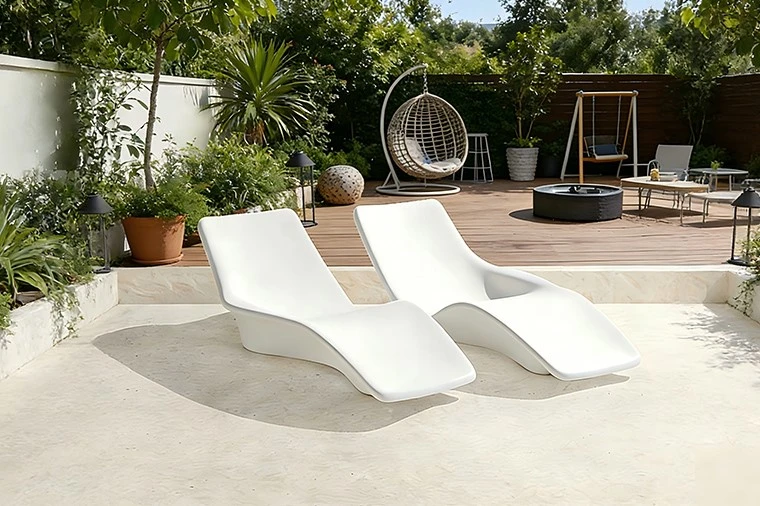
Luxury Resorts and Hotels
Resort pools and beachfront areas demand furniture that is both visually striking and capable of withstanding intense sun exposure and moisture.
Fiberglass loungers provide a modern design while maintaining long-term outdoor durability.
Rooftop Bars and Terraces
Urban rooftop spaces often emphasize architectural aesthetics and contemporary design.
Fiberglass lounge chairs with sculptural forms can become statement pieces that elevate the visual identity of the space.
Spa and Wellness Centers
Spa environments prioritize clean lines, calming aesthetics, and easy maintenance.
The seamless surfaces of fiberglass loungers are easy to clean and maintain, making them ideal for wellness environments.
Public Landscape Projects
Municipal landscapes and commercial plazas also increasingly incorporate fiberglass lounge furniture due to its vandal-resistant structure and long service life.
How Fiberglass Lounge Chairs Are Manufactured
Producing high-quality fiberglass lounge chairs requires a combination of engineering precision and craftsmanship.
The typical manufacturing process includes:
- Concept discussion and design confirmation
- 3D modeling and rendering approval
- Mold fabrication
- Fiberglass layup and forming
- Internal steel structure reinforcement
- Surface sanding and multi-layer painting
- Structural inspection and quality control
- Secure packaging for international shipping
Each stage plays a crucial role in ensuring that the final product achieves both structural stability and premium surface finishing.
Key Factors to Consider When Buying Fiberglass Lounge Chairs
When sourcing fiberglass loungers for commercial projects, buyers should pay attention to several critical factors.
Material Quality
High-quality fiberglass products use premium resin systems and dense fiberglass layering to ensure long-term durability.
Low-quality products often crack or deform over time.
Structural Reinforcement
For larger loungers, internal steel frame reinforcement may be required to ensure load-bearing stability.
Surface Finishing
Professional fiberglass furniture typically undergoes multiple sanding and painting processes, producing a smooth and durable finish.
High-end coatings also provide UV resistance and scratch protection.
Why Many Designers Choose Fiberglass for Contemporary Lounge Furniture
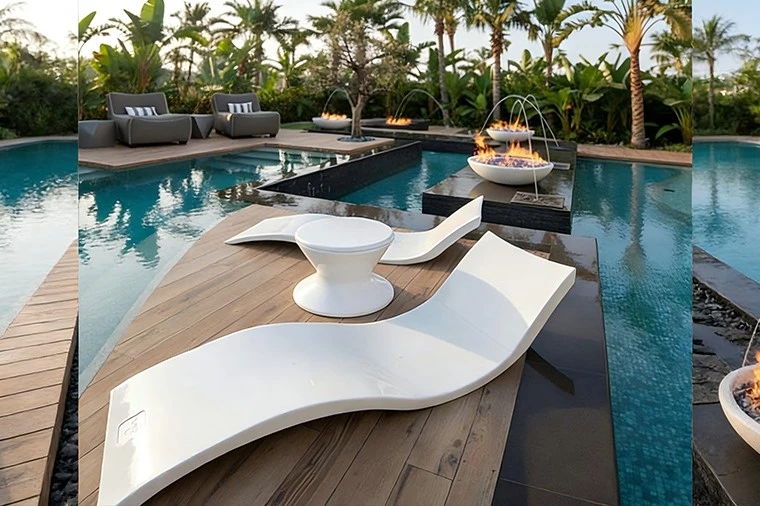
Fiberglass has become a preferred material among designers because it allows them to combine artistic expression with industrial durability.
Unlike traditional furniture materials, fiberglass enables the creation of lounge chairs that feel more like functional sculptures.
For commercial spaces seeking distinctive design identities, fiberglass furniture offers a unique opportunity to merge architecture, art, and functionality.
Conclusion
Fiberglass lounge chairs represent a modern solution for outdoor commercial furniture.
By combining durability, weather resistance, and sculptural design freedom, fiberglass offers advantages that traditional materials often struggle to match.
For hotels, resorts, landscape projects, and contemporary outdoor spaces, fiberglass loungers provide a balance of long-term performance and visual impact.
As outdoor environments continue to evolve into design-driven experiences, fiberglass furniture is likely to play an increasingly important role in shaping the future of outdoor hospitality spaces.