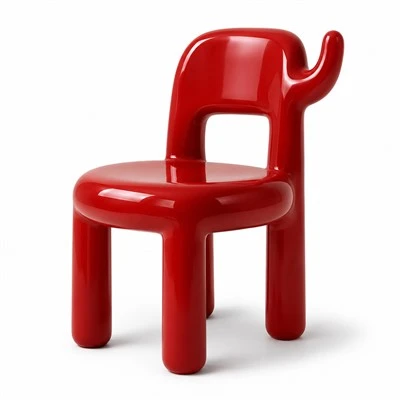
Introduction: Why Are Fiberglass Side Tables Becoming More Popular?
When people search for modern furniture, they often encounter the term fiberglass furniture or fiberglass side table. While the material is widely used in industries such as construction, marine manufacturing, and architecture, many buyers are still unfamiliar with how fiberglass is used in furniture.
This raises several common questions.
What exactly is a fiberglass side table?
How is it different from wood or metal furniture?
And why are designers increasingly using fiberglass in modern interiors and outdoor spaces?
Understanding the material behind fiberglass furniture can help buyers make more informed decisions when selecting durable and visually distinctive pieces for their homes or commercial environments.
This guide explains what fiberglass side tables are, how they are made, and why they are becoming a popular choice for modern furniture design.
What Is a Fiberglass Side Table?
A fiberglass side table is a table made from fiber-reinforced polymer (FRP), a composite material created by combining glass fibers with resin.

The glass fibers provide structural strength, while the resin binds the fibers together and forms the overall shape. When these materials are combined and cured, they create a strong yet lightweight structure.
Because of this composition, fiberglass is widely known for its high strength-to-weight ratio, which means it remains durable while being significantly lighter than many traditional materials such as stone or concrete.
In furniture design, fiberglass is typically molded into a specific form and then finished with multiple layers of sanding and painting to create a smooth and durable surface.
This production process allows fiberglass side tables to feature seamless shapes, sculptural designs, and modern finishes that are difficult to achieve with traditional furniture materials.
How Are Fiberglass Side Tables Made?
The production process of fiberglass furniture involves several carefully controlled steps to ensure both structural stability and a refined appearance.
First, designers develop the concept and determine the size, shape, and proportions of the table. Many manufacturers create 3D models or renderings to confirm the design before production begins.
Once the design is finalized, a mold is fabricated to define the exact shape of the table. Fiberglass layers are then applied inside the mold using resin to create the structure of the furniture piece.
After the fiberglass layers cure and harden, the product is removed from the mold and reinforced if necessary with internal support structures. This step ensures that the table remains stable during everyday use.
The surface is then carefully sanded and finished with multiple layers of primer and paint. Depending on the design, the final finish may be matte, glossy, textured, or hand-painted.
Through this process, manufacturers can produce fiberglass side tables that combine durability, smooth surfaces, and complex shapes.
Why Designers Choose Fiberglass for Side Tables
One of the biggest reasons fiberglass is widely used in modern furniture is its exceptional design flexibility. Unlike wood or metal, fiberglass is molded rather than cut or assembled from flat components.
This allows designers to experiment with unique forms that would be difficult to achieve with traditional materials.
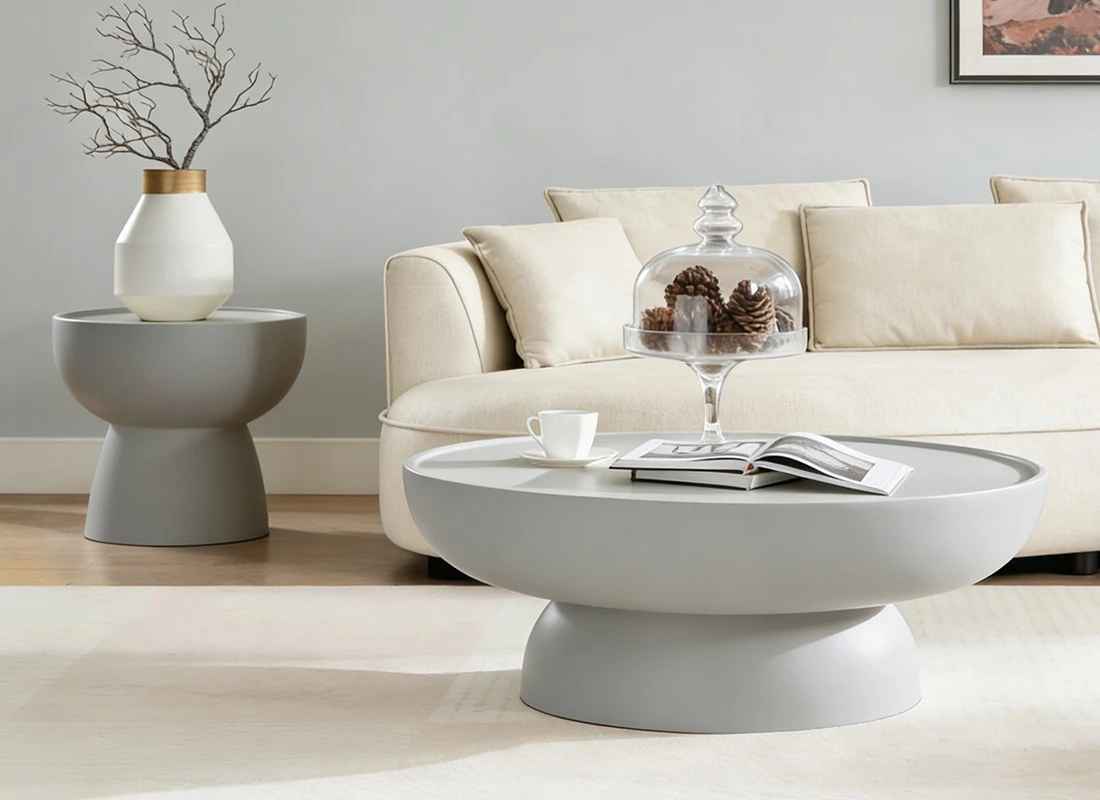
For example, fiberglass side tables often feature:
- smooth curved silhouettes
- sculptural pedestal bases
- playful artistic designs
- seamless geometric shapes
These characteristics allow fiberglass tables to function not only as practical furniture but also as decorative design elements within a space.
Because of this versatility, fiberglass furniture is frequently used in modern interiors, art-inspired environments, and creative commercial spaces.
Key Advantages of Fiberglass Side Tables
Fiberglass side tables offer several practical benefits that contribute to their growing popularity.
Durability
Fiberglass is highly resistant to moisture, corrosion, and environmental damage. Unlike wood, it does not warp due to humidity, and unlike metal, it does not rust when exposed to moisture.
This durability allows fiberglass furniture to maintain its structure and appearance over long periods of use.
Lightweight Structure
Despite its solid appearance, fiberglass furniture is relatively lightweight compared with materials such as stone or concrete. This makes it easier to move and reposition while still maintaining structural stability.

Design Flexibility
Because fiberglass is molded during production, it allows designers to create complex shapes and sculptural forms. This flexibility makes fiberglass an ideal material for modern furniture design.
Low Maintenance
Fiberglass surfaces are typically sealed with protective coatings that resist stains and moisture. Cleaning usually requires only a soft cloth and mild detergent, making maintenance simple.
Where Are Fiberglass Side Tables Commonly Used?
Fiberglass side tables are extremely versatile and can be used in a wide range of environments.
Residential Interiors
In modern homes, fiberglass side tables often serve as accent furniture beside sofas or lounge chairs. Sculptural designs can act as focal points within contemporary living rooms.
Outdoor Spaces
Because fiberglass is naturally resistant to moisture and temperature changes, it performs well in outdoor settings such as patios, balconies, and garden seating areas.
Hotels and Resorts
Hospitality environments frequently use fiberglass furniture due to its durability and low maintenance. Side tables are commonly placed in lobby lounges, guest terraces, and poolside areas.
Commercial Interiors
Fiberglass tables are also popular in retail spaces, showrooms, and creative offices where distinctive furniture designs help shape the overall interior atmosphere.
Fiberglass vs Traditional Side Table Materials
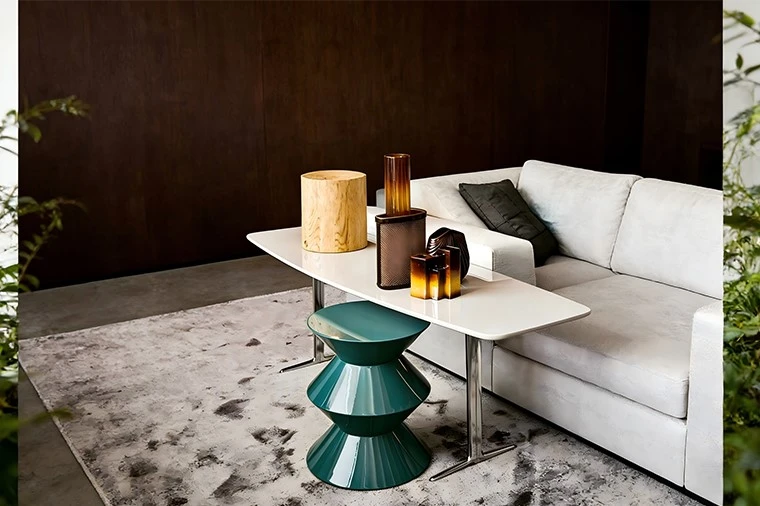
Many buyers compare fiberglass tables with more traditional materials such as wood, metal, or stone.
| Material | Durability | Weight | Design Flexibility | Outdoor Suitability |
|---|---|---|---|---|
| Fiberglass | Highly durable and resistant to moisture and corrosion | Lightweight | Excellent – can be molded into complex shapes | Excellent |
| Wood | Moderate durability and may warp in humidity | Medium | Limited to traditional forms | Limited |
| Metal | Strong but may rust if coating is damaged | Medium to heavy | Moderate | Good with protective coating |
| Stone / Concrete | Extremely durable | Very heavy | Limited | Excellent |
This comparison shows that fiberglass offers a unique balance of strength, lightweight construction, and design versatility.
Is a Fiberglass Side Table Right for Your Space?
Fiberglass side tables are particularly suitable for environments where durability and design are equally important.
If you are looking for furniture that combines modern aesthetics with long-term performance, fiberglass can be an excellent option. Its ability to support creative shapes and withstand everyday use makes it a practical choice for both residential and commercial applications.
Whether used indoors as an accent piece or outdoors in a lounge setting, fiberglass side tables provide a blend of functionality and visual impact.
Conclusion
A fiberglass side table is more than just a modern furniture trend. By combining glass fibers with resin, manufacturers create a material that offers strength, lightweight construction, and exceptional design flexibility.
These qualities make fiberglass an increasingly popular choice for contemporary furniture design. From sculptural living room tables to durable outdoor furniture, fiberglass side tables provide a balance of aesthetics and performance that many traditional materials cannot match.
As designers continue to explore new forms and finishes, fiberglass furniture will likely remain an important part of modern interior and outdoor design.