Fiberglass planters are taking on a broader role in commercial landscape design in 2026. Rather than being treated simply as containers for plants, large-format planters are increasingly being used to define circulation, bring greenery into hardscape areas, support rooftop and podium landscapes, and create architectural features in hotels, offices, retail developments and public spaces.
Several recent developments point in the same direction. At the ASLA 2026 Conference on Landscape Architecture, held in Los Angeles from September 16 to 18, more than 300 vendors presented products and services for landscape professionals, while conference programming included above-ground tree planter systems designed specifically for streets, plazas and other hardscape environments. At the same time, recent commercial planter specifications and 2026 product releases show growing attention to lightweight construction, custom dimensions, natural-looking surface finishes and more flexible planting systems.
For the fiberglass industry, the change is significant. The planter is increasingly being evaluated not only by how it looks, but by how well it fits into the structural, logistical and visual requirements of a commercial project.
Key Takeaways
Commercial planters are increasingly being treated as architectural and landscape components rather than simple decorative pots.
Lightweight construction is becoming particularly important for rooftops, podium decks, elevated courtyards and upper-floor interiors.
Stone-like and concrete-inspired finishes are expanding the visual options available in fiberglass planter design.
Custom size, color, drainage and installation requirements are becoming more closely integrated into project specifications.
Why Is Planter Weight Becoming More Important in Commercial Projects?
One of the clearest changes in commercial planter specification is the growing attention paid to structural load.
A planter may look relatively simple in a rendering, but its total installed weight includes much more than the container itself. Soil, water, drainage material and mature plants can add substantial load, particularly when large planters are grouped across rooftops or elevated decks.
This is why planter material can become an engineering question before it becomes an aesthetic one.
A commercial planter specification published by CSI Creative on October 23, 2026, highlighted this issue specifically for rooftop terraces, podium decks, elevated courtyards and interiors built over raised floors. The company noted that fiberglass and other composite planters are often considered where project teams need to reduce container weight while retaining large dimensions and strong visual presence.
The same source also noted that a concrete planter of comparable external dimensions can be substantially heavier than a fiberglass or resin-composite alternative. The precise difference depends on wall thickness, reinforcement and construction method, so there is no single weight ratio that applies to every product. What matters to project designers is that reducing the empty planter weight leaves more of the structural load allowance available for soil, plants and irrigation.
This is especially relevant as landscape design expands into locations where traditional in-ground planting is difficult or impossible.

Planters Are Becoming Part of Flexible Urban Green Infrastructure
The shift goes beyond material weight.
At the ASLA 2026 Conference, Citygreen Systems presented its Urbangrove concept, an above-ground tree planter ecosystem intended for hardscape environments where conventional tree planting is difficult. The system combines soil volume, passive irrigation and monitoring technology for applications such as streets, plazas and public spaces.
Urbangrove is not presented as a fiberglass planter system, but the concept illustrates an important change in the wider planter market: large planting containers are increasingly being viewed as infrastructure.
Instead of asking only, "What planter looks good here?", designers are increasingly asking questions such as:
How much soil volume does the planting need?
How will irrigation and drainage work?
Can the planter be moved or reconfigured later?
How much weight can the structure support?
How does the planter help organize pedestrian space?
Can the system support larger plants or small trees?
These questions are particularly relevant for commercial developments where outdoor spaces may need to change over time.
Recent industry content reflects this same direction. In October 2026, commercial planter manufacturer PureModern described growing demand for planters with custom details that allow landscape architects and developers to respond to changing indoor and outdoor space requirements.
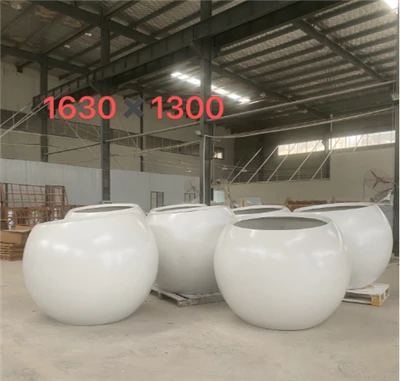
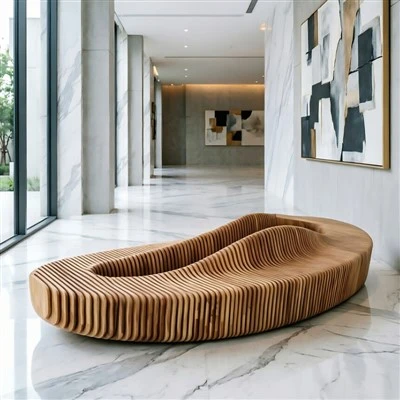
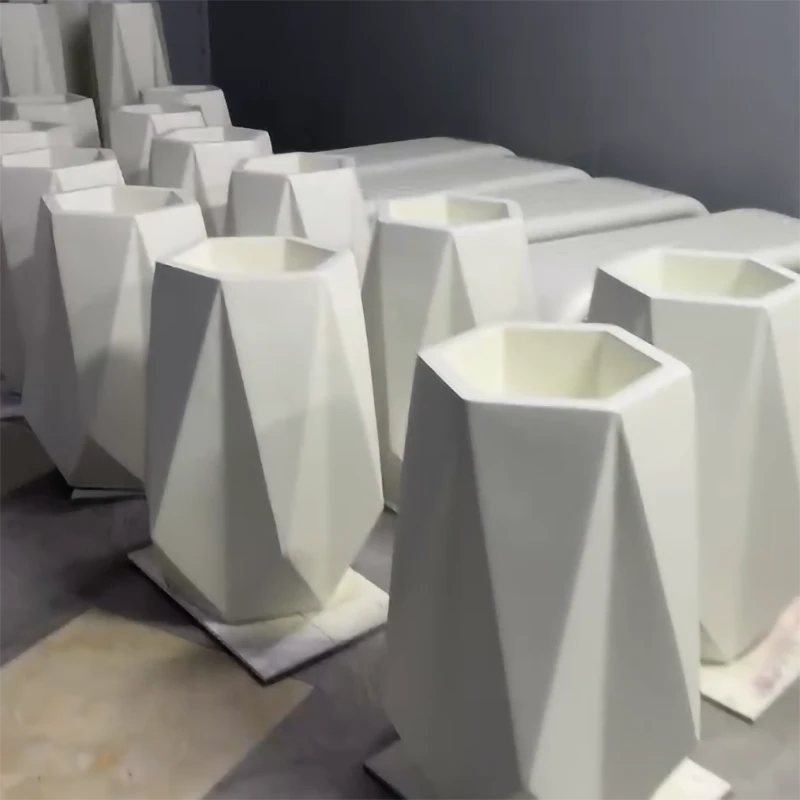
For fiberglass manufacturers, this creates opportunities beyond producing standard flower pots. Large rectangular containers, modular arrangements, tree planters, privacy dividers and custom architectural shapes can all become part of broader space-planning strategies.
Conclusion: Fiberglass Planters Are Becoming Architectural Tools
The latest commercial landscape developments in 2026 show that the role of fiberglass planters is becoming broader.
Rooftop and podium projects are putting more attention on planter weight. Urban landscape systems are treating above-ground planting as part of green infrastructure. Manufacturers are introducing more architectural forms and natural-looking finishes, while designers are asking for greater customization in dimensions, color and function.
Together, these changes are moving fiberglass planters beyond their traditional role as decorative plant containers.
For commercial landscapes, the planter is increasingly becoming part of the architecture itself-helping define spaces, introduce greenery where in-ground planting is difficult, and connect planting design with the surrounding built environment.
That is likely to be one of the most important directions for fiberglass planter design as commercial landscapes continue to evolve beyond 2026.
FAQ
1. Why are fiberglass planters used on rooftops and podium decks?
Fiberglass planters are relatively lightweight compared with many heavy cast materials. Reducing the weight of the planter itself can be useful on elevated structures where soil, water, drainage materials and plants already contribute significant load.
2. Can fiberglass planters be made to look like concrete or stone?
Yes. Fiberglass surfaces can be developed with molded textures and coating systems that resemble concrete, stone and other architectural materials. Recent 2026 product collections show increased use of stone-like and rough-cast finishes.
3. Are large fiberglass planters suitable for commercial projects?
Yes, provided the structure, dimensions, drainage and surface finish are designed for the intended application. Large commercial projects should define these requirements clearly instead of relying only on a standard product description.
4. Can fiberglass planters be customized for a project?
Yes. Fiberglass manufacturing allows customization of size, shape, color and surface finish. Completely new shapes may require custom tooling, while existing designs can often be produced in different finishes and dimensions.
5. What information should buyers provide when requesting a custom planter quotation?
Buyers should provide dimensions, quantity, reference drawings or images, intended planting, indoor or outdoor use, required color and finish, drainage requirements, destination country and project schedule.